Studio 338 isn’t just another nightclub. It’s a warehouse-turned-temple of bass, where the walls still hum after the last beat drops. If you’re chasing raw, unfiltered house and techno in London, this is where you show up - not for the VIP section, not for the bottle service, but for the DJs who turn the floor into a living thing.
Who’s spinning at Studio 338 this month?
This March, the lineup leans hard into the underground. No pop remixes. No radio edits. Just deep, rolling grooves that build for hours and never let go. The resident crew - Chris Stussy, Joe Ray, and Levixx - are still the backbone, but the guest list is where things get interesting.
On March 12, Amelie Lens brings her signature industrial-tinged techno. She doesn’t play tracks - she builds atmospheres. Her sets last six, sometimes seven hours, and she never repeats a track. People come back month after month just to hear how she reshapes the same room into something new.
March 19 features Ben Böhmer, who’s been quietly reshaping the melodic house scene. He doesn’t drop bangers. He drops feelings. His sets weave in field recordings, soft piano loops, and slow-burning basslines. If you’ve ever stood in the middle of Studio 338 and felt like the music was breathing with you, it was probably him.
And then there’s Rebecca Allen on March 26. A rising force from Berlin, she’s known for mixing classic 90s techno with distorted vocal samples and analog synths. She doesn’t play what’s trending. She plays what’s stuck in her head. Last month, she opened with a 20-minute track that no one had heard before - and by the end, the whole room was singing along.
Why Studio 338’s sound matters
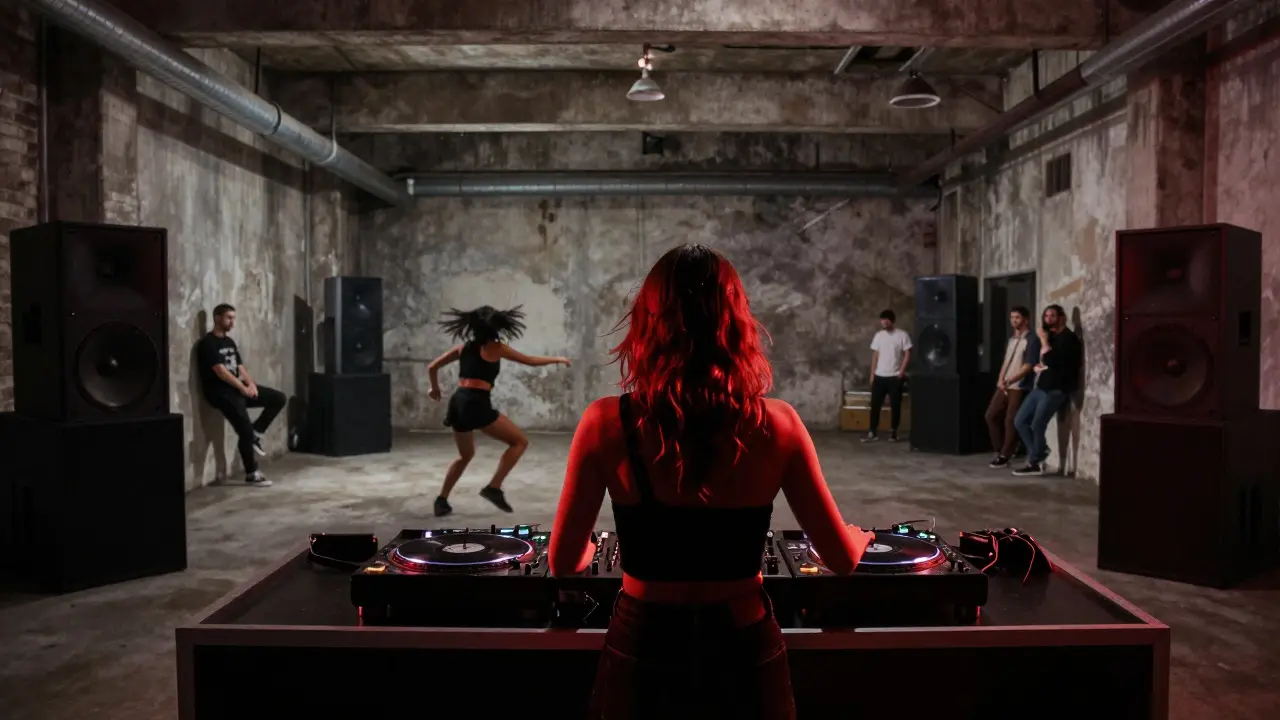
The club’s acoustics are a big part of why these DJs choose it. The space was built from an old industrial warehouse, with concrete floors, high ceilings, and no soundproofing. That means the bass doesn’t get muffled - it rumbles through your chest. The speakers? Custom-built by the owner, a former audio engineer who spent two years tuning them to match the room’s natural resonance.
Most clubs try to control sound. Studio 338 lets it breathe. That’s why DJs like John Talabot and Steffi have played here more than any other venue in the UK. It’s not just a place to perform. It’s a testing ground.
There’s no lighting rig that syncs to the beat. No holograms. No LED walls. Just a single strip of red light along the DJ booth and a few old floodlights that flicker when the bass hits. You feel the music before you see it.
The crowd you’ll find
The people here aren’t there to be seen. They’re there to disappear. You won’t find influencers posing with cocktails. You won’t see someone checking their phone for the 10th time in 20 minutes. This is a place for those who’ve been to too many clubs with fake energy.
Most guests are between 25 and 40. Many work in design, coding, or music production. Some are students. Others just left jobs that drained them. They come here because they remember what it felt like to lose track of time.
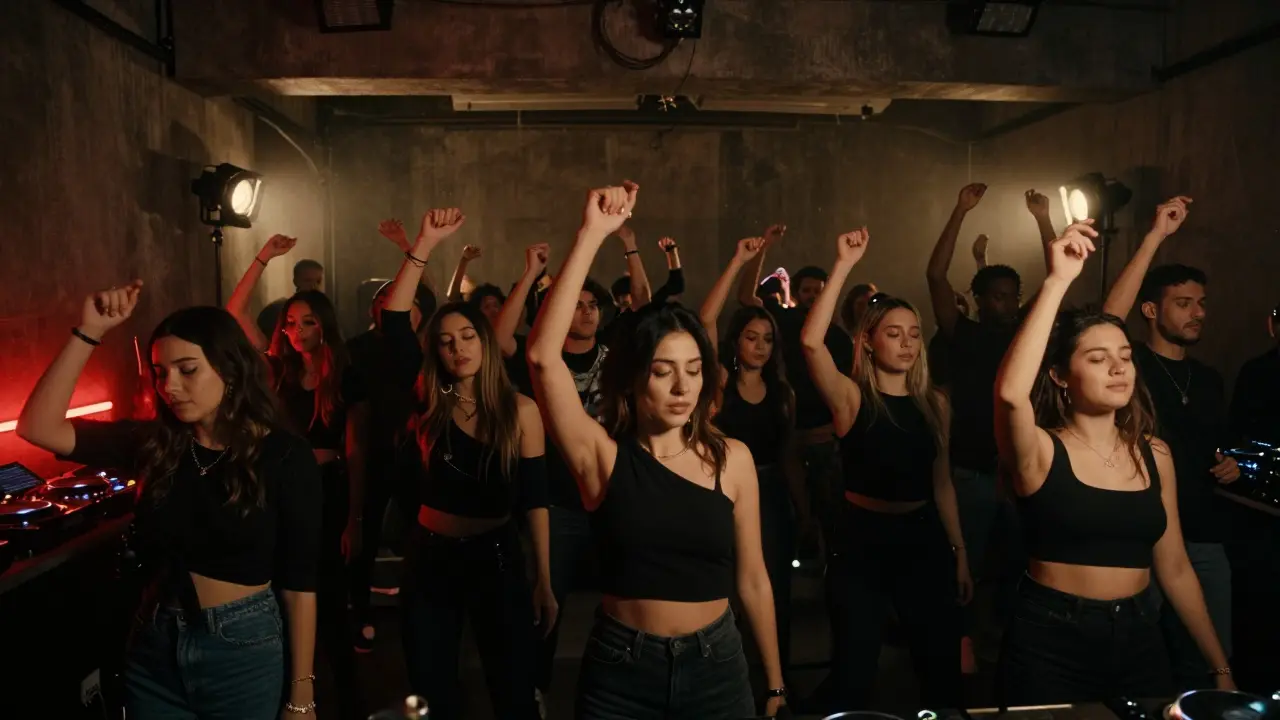
On a good night, you’ll see someone dancing alone near the back, eyes closed, arms raised like they’re catching rain. Someone else will be leaning against the wall, nodding so hard their hair moves. No one talks. No one needs to.
What to expect before you go
- Doors open at 11 PM. The music doesn’t start until midnight - and the first hour is always slow, building. Show up early if you want space.
- No dress code. But if you’re wearing sneakers with socks, you’ll stand out. Most people wear black, dark denim, or simple streetwear. Comfort matters more than style.
- Cash only for drinks. The bar doesn’t take cards. Bring £20-£30. A pint of lager is £7. A bottle of water is £4.
- There’s no queue for the bathroom. You just walk in. It’s small, but it’s clean. No mirrors. No hand dryers. Just soap and paper towels.
- Leave your bag at the coat check. They don’t check IDs unless you look under 25. But they’ll ask if you’re carrying anything that looks like a camera.
What’s different this year
Studio 338 started as a one-night-a-week party in 2014. Now it’s open four nights a week. But the philosophy hasn’t changed. The owner still books every DJ personally. No agents. No spreadsheets. Just a phone call and a handshake.
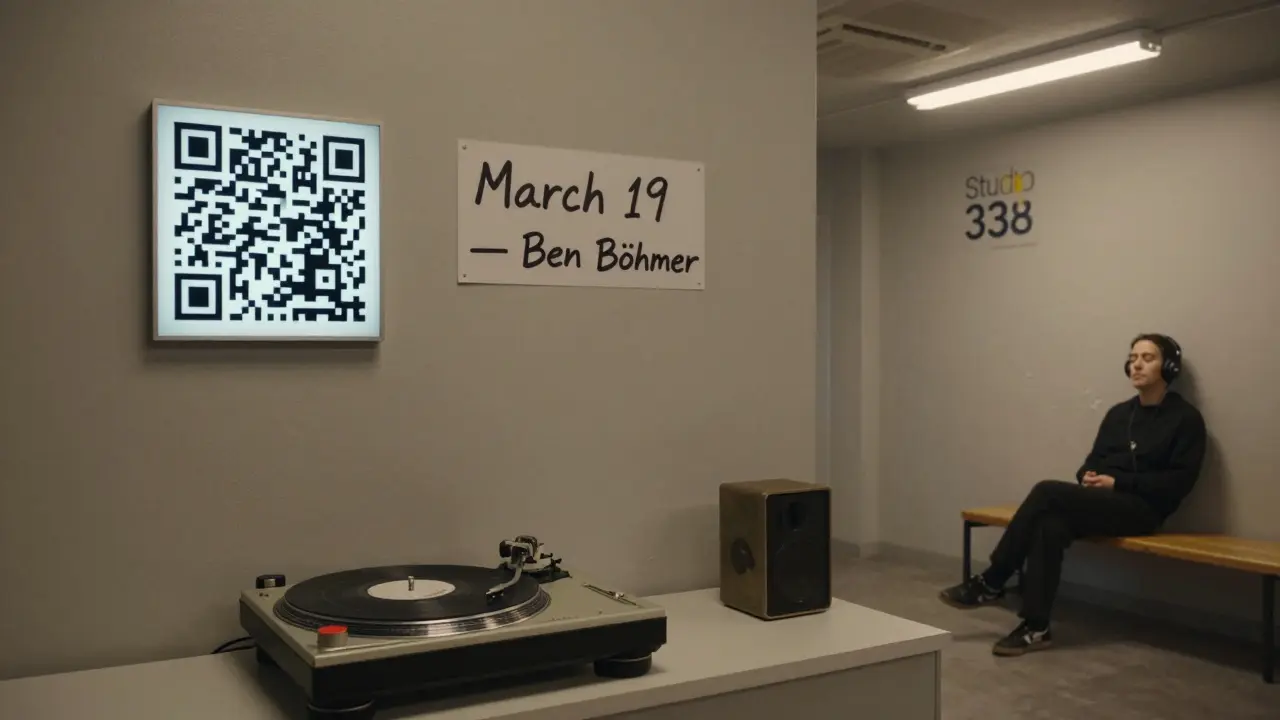
This month, they added a new feature: the Sound Archive. Every DJ who plays gets to leave behind a 30-minute mix. You can listen to it on a loop in the lobby after hours. It’s not for sale. It’s not on Spotify. It’s just there - a living record of who’s been here.
There’s a playlist on the wall. You can scan a QR code and hear last month’s set from Adam Beyer or Marina Tadic. Some people come just to listen before the doors open.
Why this matters
In a world where clubs are becoming theme parks for influencers, Studio 338 is the opposite. It doesn’t chase trends. It doesn’t need to. It’s built on trust - between the DJs, the staff, and the people who show up week after week.
The best DJs here don’t play to fill time. They play because they have something to say. And if you’re willing to listen - really listen - you’ll hear it.
Is Studio 338 open every weekend?
No. Studio 338 is open Thursday, Friday, Saturday, and Sunday nights. It’s closed Monday through Wednesday. The lineup changes each week, so check their Instagram or website for the exact schedule. They don’t post far in advance - often just 48 hours before the event.
Do I need to buy tickets in advance?
Not usually. Most nights are free entry until midnight, then £10 at the door. The big names - like Amelie Lens or Ben Böhmer - sell out tickets ahead of time. If you see "ticket required" on their socials, get yours early. Otherwise, just show up. The line moves fast.
Can I take photos or videos inside?
No. Studio 338 has a strict no-phones policy during sets. Staff will ask you to put your phone away if they see you recording. This isn’t about control - it’s about preserving the experience. The music is meant to be felt, not filmed. If you really want to remember the night, you’ll leave with your body tired and your mind full.
Is Studio 338 accessible for people with disabilities?
Yes. The venue has a ramp at the main entrance, accessible bathrooms, and a quiet room with seating and lower volume for those who need a break. The staff is trained to help, and you can email them ahead of time to arrange support. They don’t advertise it loudly, but they make sure it’s there.
What’s the best time to arrive?
Between 11:30 PM and midnight. That’s when the crowd is still thin, the sound is just starting to warm up, and you can find a spot near the speakers without pushing through 50 people. If you come after midnight, you’ll be shoulder to shoulder. That’s fine if you like that - but if you want to feel the music, come earlier.