
Walking into the world of European companion services requires more than just a credit card and a search engine. In 2026, the landscape has shifted significantly, particularly with new digital privacy laws across the EU and stricter regulations in the UK. You are likely searching for more than just a profile picture; you want to know how to stay safe, find legitimate providers, and understand the unspoken rules of this niche industry.
This guide cuts through the marketing noise. We aren’t talking about fantasy promises found on sketchy websites. Instead, we focus on the practical realities of engaging with professional companions, often referred to in the broader market as Euro Escortsprofessional companions based in or serving European regions who offer social and intimate company. Whether you are traveling through London, Paris, or Berlin, knowing the difference between a genuine independent contractor and a high-pressure scam is vital.
Understanding the Modern Service Model
The term "Euro Escort" often conjures images of traditional street-level work, but the reality in 2026 is vastly different. Most high-end services operate as Independent Contractorsself-employed individuals managing their own schedules, rates, and client interactions directly. This shift away from traditional agencies gives the provider more control over their safety and income, but it also puts the burden of vetting on the customer.
In Europe, labor laws differ widely. Some countries decriminalize sex work entirely, while others regulate it through licensing systems. For example, parts of Germany have strict Zonierungsgesetze (zoning laws) requiring registration. In contrast, the UK maintains a complex legal framework where buying services isn't explicitly criminalized, but solicitation in public spaces and third-party profit models face heavy penalties. Understanding these local nuances helps you navigate expectations. A provider operating out of Amsterdam functions differently from one in Bristol due to these regulatory environments.
When you book a session, you are entering a private contract. This means there are no standard employment benefits, insurance covers, or guaranteed customer support tickets. The transaction relies entirely on mutual trust and pre-agreed terms. This structure explains why "upfront screening" has become the most critical step for anyone interested in this service type.
Safety Protocols for Both Parties
Safety isn't just about physical location; it is about data security. In our current digital age, your personal information can leak faster than you think. Legitimate professionals prioritize their safety just as much as yours. They use encrypted messaging apps rather than standard SMS or WhatsApp for initial contact. Look for providers who prefer Signal or Telegram with disappearing messages enabled.
Video verification has become the standard norm by 2026. Before meeting, it is reasonable to ask for a short live video call to confirm identity. If a provider refuses absolutely, consider this a warning sign. However, respect boundaries. Do not record these calls. Use them solely for confirmation that the person matches their profile photos. Scammers often use stolen images or deepfakes, so asking for a specific gesture or holding up a piece of paper with today's date works wonders to prove humanity.
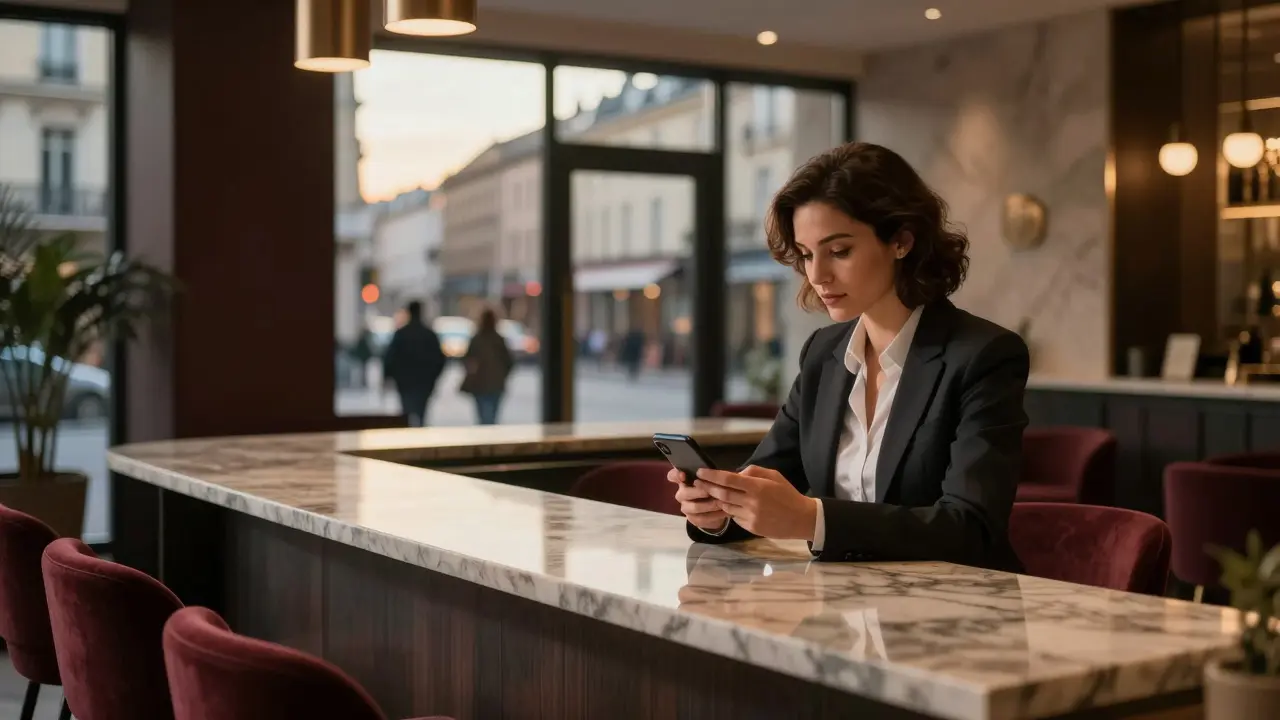
Always meet in public first. Even if the final arrangement happens elsewhere, the initial handshake should occur at a neutral venue like a hotel lobby or a busy coffee shop. This allows both parties to assess behavior and comfort levels before entering a private space. It sounds obvious, but skipping this step is the number one cause of issues reported to consumer watchdogs.
| Check Step | Why It Matters | Common Pitfall |
|---|---|---|
| Video Call Verification | Confirms identity and reduces catfish risks | Refusal to show real-time video |
| Public Meet-Up | Safety buffer for both parties | Meeting directly at a private residence |
| Clear Rate Agreements | Avoids misunderstandings about costs | Vague pricing hidden behind links |
| Digital Privacy | Protects data from breaches | Using unencrypted email addresses |
Pricing Structures and Payment Methods
Money talks, but transparency matters more. In the past, vague hourly rates were common. Now, ethical operators provide a clear menu of prices for different durations. Be wary of listings that don't state a total upfront cost. Hidden fees for travel, cleaning, or administrative surcharges are red flags for disreputable operations.
Regarding payment, cash remains king for privacy, but digital options are growing. Many clients now use prepaid cards or cryptocurrency tokens specifically designed for privacy preservation. However, always agree on the method *before* the meeting. Changing methods last-minute often signals fraud. Also, remember that credit cards linked directly to sensitive industries can trigger bank fraud alerts. Using a separate budget or prepaid debit card protects your main financial accounts from potential scrutiny.
If you are dealing with an agency, understand that their fee structure usually includes a booking retainer. Legitimate agencies do not take money without a confirmed booking slot. Never send money for a "profile fee" before seeing any results. This tactic is frequently used by bots to drain user wallets without delivering any actual service.
Etiquette and Mutual Respect
Engaging with professional companions is about respect as much as logistics. These individuals treat their job as a business, meaning they have rights to set boundaries. What some clients mistake for "personal requests" may actually be outside the scope of agreed services. Always clarify boundaries early. Asking questions like "Is this activity included in the rate?" saves awkwardness later.
Punctuality is non-negotiable. Respecting the provider's time shows you value the agreement. Arriving late wastes resources and disrupts their schedule. Conversely, providers should also respect client privacy. Professionalism extends both ways. Once a session concludes, part ways politely without lingering or demanding further contact unless agreed upon beforehand.
Cultural differences play a role here too. In Southern European markets, conversation and connection might be valued more than silence. In Northern European hubs, efficiency and privacy might be prioritized. Adapting to these nuances ensures a smoother interaction. Treat every interaction as a collaborative experience rather than a transaction.

Identifying Scams and Red Flags
Unfortunately, the industry attracts malicious actors. In 2026, AI-generated content makes spotting fake profiles harder. Here is what you need to watch for. Generic stock photography is a major clue. Real people use varied backgrounds and lighting in their photos. Stock images look identical across multiple profiles.
Email addresses using free domains like @gmail.com are less professional than custom domains, though not impossible. However, combined with urgent language asking for immediate funds, it becomes risky. High-pressure sales tactics are almost always negative. "Book now before she leaves town tomorrow" creates artificial scarcity to force a decision. Take your time. If you rush, you lose leverage.
Another common scam is the "advance fee" trick. Requests for money to secure a spot, travel expenses, or visa processing costs before the person arrives are nearly always frauds. Legitimate professionals cover their own travel costs until after the booking is confirmed and paid via direct exchange.
Navigating Legal Boundaries
You must operate within the law of your jurisdiction. In the United Kingdom, while independent consenting adults exchanging money is not illegal, third-party management falls under severe restrictions. Organizations like the Human Trafficking Centre monitor for patterns of exploitation. Participating knowingly in trafficking operations carries heavy penalties.
When traveling, research local laws. Some nations prohibit foreigners from accessing certain services. Ignorance does not protect you from arrest. Stick to regulated districts or private establishments known to comply with national standards. If you feel unsure, err on the side of caution. Your freedom is worth far more than the service.
Is it safe to pay online before meeting?
Ideally, no. Cash upon arrival or direct transfer after verification is safer. Pre-payment increases risk of fraud if the provider disappears.
Can I bring friends along?
Only with prior written permission. Bringing unapproved guests violates safety agreements and often leads to cancellation.
How do I verify authenticity in 2026?
Use live video calls requesting specific gestures or holding dated notes to confirm identity and reject AI deepfakes.
Are agencies safer than independents?
Agencies offer some recourse, but independents often have better reviews and direct communication channels. Vetting quality is the priority regardless of type.
What should I do if I feel unsafe?
End the meeting immediately. Contact local authorities if necessary, and report the incident to the platform used for booking.




1 Comments
jasmine grover
March 29, 2026 AT 15:11Video verification has become the standard norm by 2026 and everyone should follow it.
Before meeting, it is reasonable to ask for a short live video call to confirm identity directly.
If a provider refuses absolutely, consider this a warning sign immediately without hesitation.
However, respect boundaries during these interactions strictly and professionally.
Do not record these calls under any circumstances whatsoever ever.
Use them solely for confirmation that the person matches their profile photos accurately.
Scammers often use stolen images or deepfakes to fool people online frequently.
Asking for a specific gesture or holding up a piece of paper with today's date works wonders to prove humanity.
This simple step filters out most automated bots effectively in modern searches.
Real people respond naturally to random requests like this without scripted answers.
Encrypted messaging apps are safer than standard SMS for initial contact details always.
Look for providers who prefer Signal or Telegram with disappearing messages enabled for safety.
Data security matters immensely in our current digital age environment today.
Legitimate professionals prioritize their safety just as much as yours genuinely.
Always meet in public first even if the final arrangement happens elsewhere later.
Even if the final arrangement happens elsewhere, the initial handshake should occur at a neutral venue like a hotel lobby.