

Walk into a café in Berlin, a bar in Barcelona, or a park in Stockholm, and you’ll notice something subtle but powerful: European women often carry themselves with quiet strength. They don’t need to shout to be heard. They don’t need to prove they’re better than anyone else. They just are. And that’s what draws people in - not flashy behavior, not performative charm, but real confidence. The kind that doesn’t demand attention but earns it.
Confidence Isn’t Loud, It’s Consistent
Think about the difference between someone who talks over everyone at dinner and someone who waits, listens, then speaks just enough to make you pause. That’s the line between confidence and arrogance. European women, especially in countries like the Netherlands, Sweden, or France, often grow up in cultures that value modesty as much as self-assurance. Being sure of yourself doesn’t mean you’re better than others - it means you know your worth without needing to compare.
One woman in Copenhagen told me, ‘I don’t need to tell you I’m smart. I’ll show you when we talk about the climate policy or the art exhibit.’ She didn’t brag. She didn’t posture. She just lived like she belonged - and that made her magnetic.
Arrogance Is a Shield. Confidence Is an Open Door
Arrogance often comes from insecurity. It’s the person who names drops, corrects your grammar, or acts like they’ve seen it all because they’ve been to five European capitals. That’s not confidence. That’s armor. And most European women see right through it.
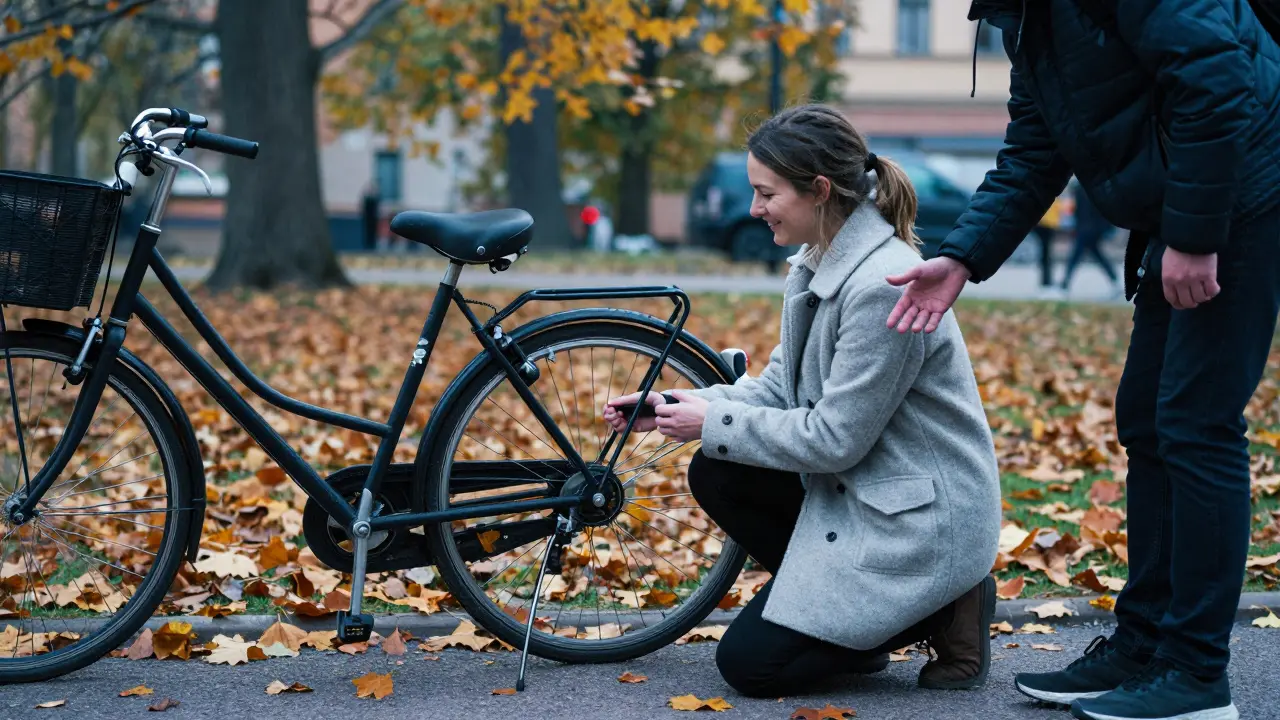
Real confidence? It’s the woman who admits she doesn’t know how to fix a bike but asks for help anyway. It’s the one who laughs when she spills wine on her shirt and doesn’t try to pretend it didn’t happen. It’s the girl who says ‘I’m not good at small talk’ - and then turns the conversation into something real.
Studies from the University of Amsterdam’s social psychology department found that people perceived as ‘authentically confident’ - meaning they showed competence without dominance - were rated 40% higher in trustworthiness than those who came off as superior. That’s not a coincidence. It’s cultural.
How European Culture Shapes This Dynamic
It’s not just personality. It’s upbringing. In many European countries, children are taught to value equality over hierarchy. Schools don’t hand out gold stars for being the best. They reward effort, curiosity, and collaboration. A girl who speaks up in class isn’t praised for being ‘the smartest’ - she’s encouraged for asking the right question.
That mindset carries into adulthood. In Germany, you won’t hear someone say, ‘I’m the best at this.’ You’ll hear, ‘I’ve done this for ten years and I still learn something new.’ That humility isn’t false modesty. It’s grounded realism.
Even in fashion, the vibe is different. You won’t see European women in head-to-toe designer logos unless they’re at a fashion week event. More often, you’ll see well-fitted clothes, simple cuts, and a single statement piece. It’s not about showing off. It’s about expressing yourself without shouting.
What Happens When Confidence Crosses Into Arrogance?
There’s a moment - subtle, quick - when confidence turns into something off-putting. It’s when someone assumes you owe them respect because of where they’re from, what they studied, or how much they’ve traveled. That’s not confidence. That’s entitlement.
I met a man in Prague who bragged about dating ‘girls from every EU country’ like it was a trophy collection. He didn’t ask about their lives. He didn’t listen. He just listed them. Within ten minutes, everyone at the table stopped engaging. He thought he was impressive. They thought he was shallow.
European women aren’t turned off by ambition. They’re turned off by ignorance masked as superiority. They don’t care if you’ve been to Lisbon. They care if you remember what they said about their grandmother’s recipe for soup.
How to Be Confident Without Being Arrogant - Real Examples
Here’s what works, based on real interactions, not theories:
- Don’t fixate on status. Talking about your job title, salary, or connections? That’s a red flag. Instead, talk about what you’re learning. What surprised you this week? What made you curious?
- Listen more than you speak. Ask follow-up questions. ‘What made you say that?’ ‘How did that feel?’ People notice when you’re truly listening.
- Own your mistakes. Say ‘I was wrong’ or ‘I didn’t know that.’ It’s not weakness. It’s maturity. And it’s rare.
- Be comfortable with silence. European women often don’t feel the need to fill every pause. If you’re okay with quiet, you’re more attractive than someone who talks to fill space.
- Respect boundaries - not just physical, but intellectual. Don’t try to ‘educate’ someone unless they ask. You’re not their teacher. You’re their equal.
One woman in Milan put it simply: ‘I want someone who knows their worth but doesn’t need to remind me of it.’

It’s Not About Where You’re From - It’s About How You Show Up
You don’t have to be European to understand this. But you do have to be honest. Confidence isn’t a costume you wear for a date. It’s how you behave when no one’s watching. It’s how you treat the waiter. How you handle rejection. How you react when someone disagrees with you.
European women aren’t looking for a prince. They’re looking for a partner. Someone who can stand beside them - not in front of them. Someone who doesn’t need to be the center of attention because they already feel at home in their own skin.
That’s the kind of confidence that lasts. Not the loud kind. Not the bragging kind. The quiet kind. The kind that says, ‘I’m enough,’ without saying it out loud.
Final Thought: Confidence Is a Practice, Not a Performance
You can’t fake this. You can’t learn it from a YouTube video. You build it by showing up - day after day - as someone who doesn’t need validation to feel whole. It’s in the small things: saying thank you, owning your opinions without attacking others, being kind even when you’re tired.
European women notice. Not because they’re judging you. But because they’ve been taught to see through noise. And what they’re looking for isn’t a hero. It’s a human.
Do European women really care if you’re confident?
Yes - but only if it’s real. They can spot performative confidence from a mile away. What they value is quiet self-assurance: someone who knows their strengths, owns their flaws, and doesn’t need to prove anything to anyone.
Is arrogance common among European women?
Rarely. Most European cultures discourage overt displays of superiority. Arrogance is seen as a lack of emotional intelligence, not strength. Women who act entitled usually get ignored, not admired.
Can a non-European man attract a European woman by being confident?
Absolutely - if the confidence is authentic. It’s not about your passport. It’s about your behavior. European women respond to honesty, curiosity, and emotional maturity - no matter where you’re from.
What’s the biggest mistake men make when trying to impress European women?
Trying too hard. Over-explaining, name-dropping, or acting like you’re on a dating show. European women prefer subtlety. They’re more impressed by someone who’s comfortable being themselves than someone who’s trying to be ‘impressive.’
Do European women like men who are emotionally open?
Yes - especially in Northern and Western Europe. Emotional openness is seen as strength, not weakness. Being able to talk about feelings, fears, or insecurities without shame is highly attractive. It signals maturity and self-awareness.






5 Comments
Renee Bach
December 21, 2025 AT 09:03omg yes!! i was in Amsterdam last month and this girl at the coffee shop just ordered a latte, smiled, and said 'the barista knows my name'-no big deal, just normal. i was like... that’s the vibe. no flexing, just existing like a whole person. 🌿☕️
Natali Kilk
December 21, 2025 AT 09:10Let’s be real-this isn’t about ‘European culture.’ It’s about class. The women you’re describing? They’re from privileged, upper-middle-class households where ‘modesty’ is just another form of performative elitism. The girl who doesn’t brag about her art exhibit? She’s probably got a trust fund and a family connection to the Guggenheim. Confidence? Sure. But it’s filtered through privilege, not virtue. Real confidence doesn’t need to be quiet-it just needs to be earned, not inherited. And let’s not romanticize austerity as ‘authenticity.’ It’s just wealth in neutral tones.
Leonard Fusselman
December 22, 2025 AT 18:58While I appreciate the general sentiment expressed in the original post, I must respectfully correct a grammatical inconsistency: the phrase 'She just are' in the opening paragraph is nonstandard English. It should read 'She just is.' Additionally, the use of 'name drops' as a verb, while colloquially understood, lacks formal precision. Furthermore, the reference to 'University of Amsterdam’s social psychology department' requires an apostrophe after the 's' to indicate proper possessive form. These are not pedantic nitpicks-they are foundational to clear communication. Authentic confidence, as you rightly note, includes attention to detail.
Taylor Webster
December 24, 2025 AT 17:00bro this hit different. i used to think confidence meant talking louder, dressing sharper, having the fancier watch. then i met this girl in Lisbon who cried because her cat died and didn’t even try to hide it. she didn’t say ‘i’m strong’-she just sat there, messy hair, holding a half-eaten pastel de nata, and said ‘i miss her so much.’ i fell for her in like 12 seconds. no game. no act. just real. that’s the whole thing.
minakshi gaval
December 25, 2025 AT 15:52wait… are you sure this isn’t just propaganda from the EU cultural ministry? i’ve read reports that these ‘quiet confident’ women are actually trained in soft power tactics by EU diplomats to attract foreign investors and tourists. they’re taught to smile just enough, avoid eye contact just right, and use ‘humble’ language to disarm men. it’s psychological warfare disguised as charm. the wine spill? probably rehearsed. the silence? a surveillance tactic. they’re not being authentic-they’re being strategic. just saying.