There’s a rhythm in London that doesn’t come from the subway or the rain on the pavement. It comes from inside a basement in Shoreditch, where the lights don’t flash-they pulse. The bass doesn’t drop-it breathes. And if you’ve ever wondered what it feels like to lose yourself in a crowd that moves as one, you haven’t been to Corsica Studios yet.
What Makes Corsica Studios Different?
Corsica Studios isn’t a club. It’s not even really a venue. It’s a living thing. Built into an old industrial building near Elephant & Castle, it started as a warehouse for art installations and became something else entirely. No VIP sections. No bottle service. No bouncers judging your shoes. Just a raw, unfiltered space where sound and movement collide.
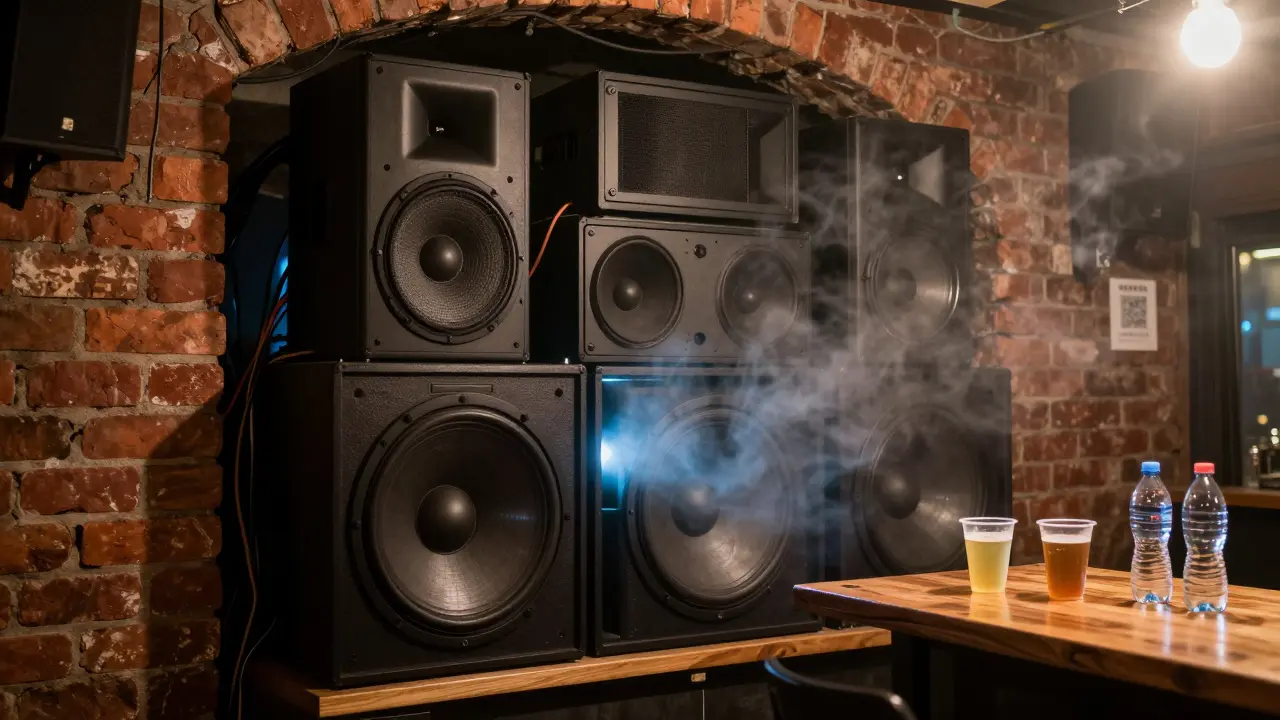
It opened in 2013, and since then, it’s hosted over 1,200 events. Not just parties-live performances, experimental sets, underground DJs, and midnight dance rituals. The sound system? A custom-built setup by a team of engineers who refused to use commercial gear. They wanted something that could shake your ribs without blowing out your eardrums. The result? A low-end that feels like your heartbeat got amplified.
The Dance Buzz You Can’t Find Elsewhere
You know that moment when you’re dancing and you realize no one else is looking at you? You’re not performing. You’re just moving. That’s the Corsica Studios effect. It’s not about being seen. It’s about being felt.
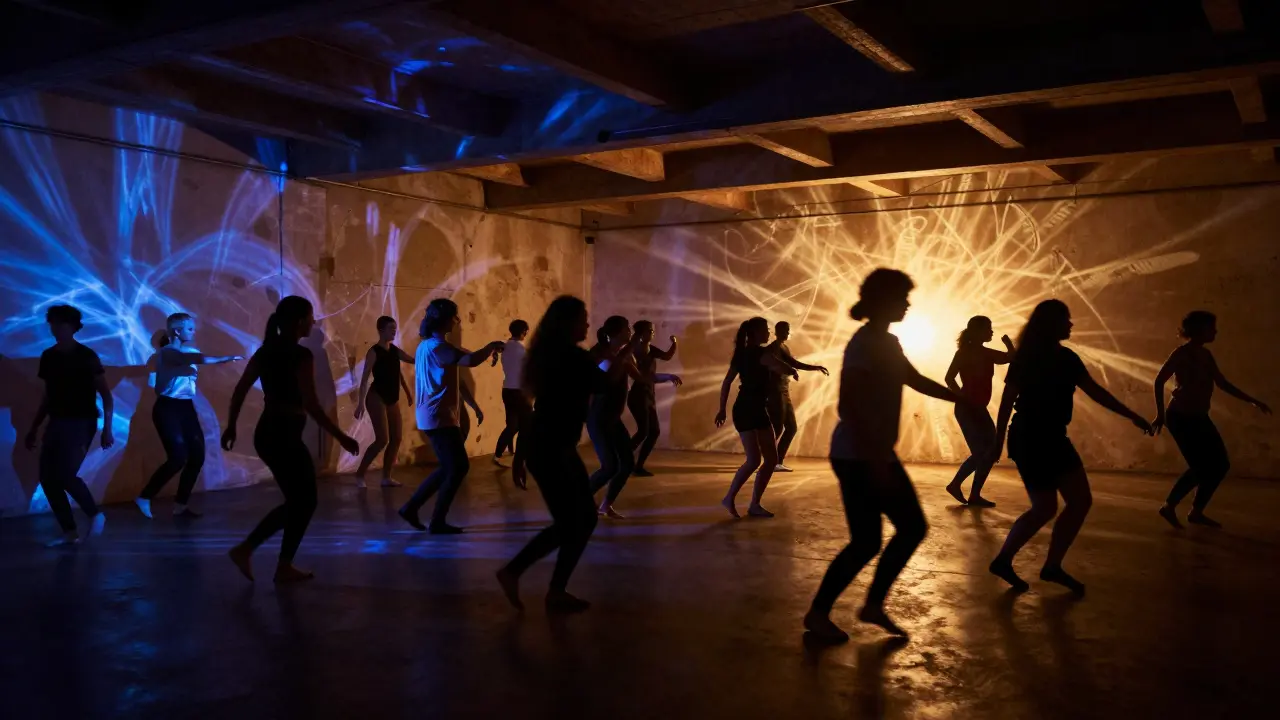
On a Friday night, the room fills with people who don’t know each other but move in the same rhythm. A guy in a wool coat and combat boots spins into a woman in a sequin dress and no shoes. They don’t talk. They don’t need to. The music-whether it’s techno, ambient, or a 40-minute live loop of distorted strings-does the talking.
There’s no playlist. No set times. No advertised headliners. Sometimes, the DJ is someone you’ve never heard of. Sometimes, it’s a former classical violinist who’s turned her instrument into a noise generator. And somehow, it all fits. Because the energy here doesn’t care about fame. It only cares about frequency.
How It Feels to Be Inside
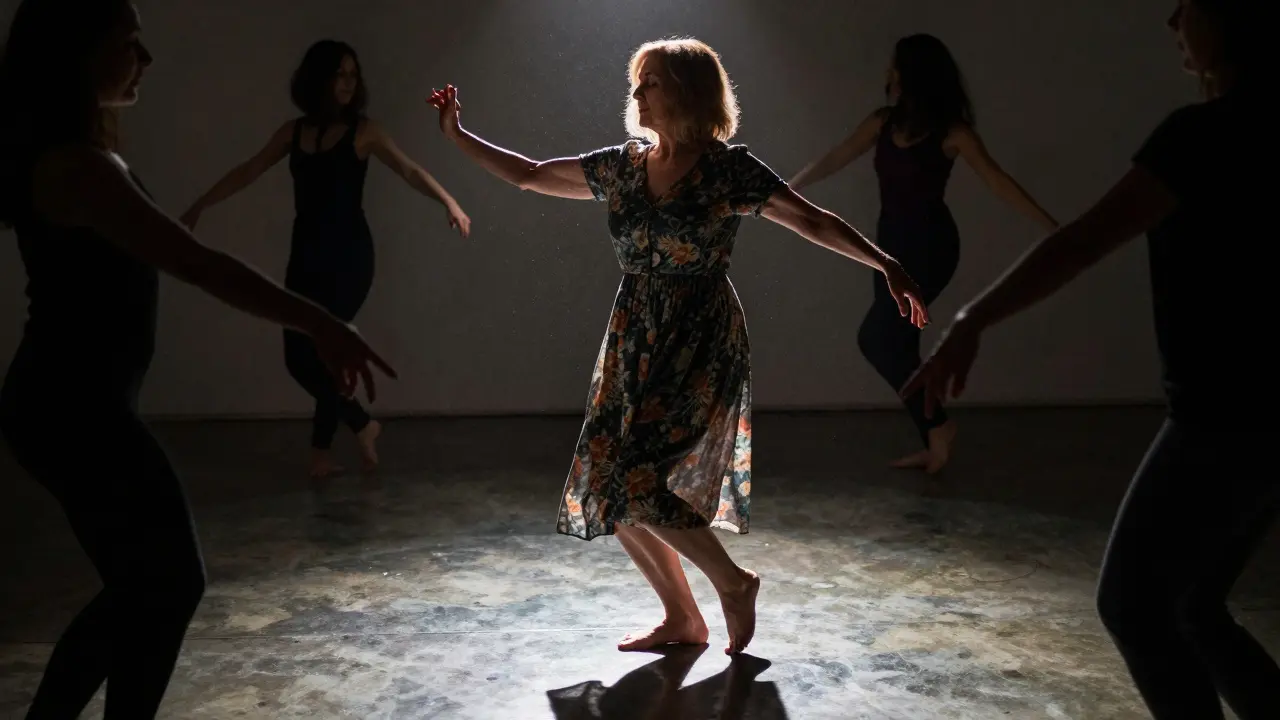
Step inside and the air changes. It’s warm, thick with sweat and incense. The walls are painted black, but they shimmer under the strobes-not from paint, but from years of bodies brushing against them. The floor is concrete, worn smooth by thousands of shoes. You can feel the vibrations through your soles.
There are no bars at the front. Just a small counter near the back where you can buy a plastic cup of cider for £3.50 or a bottle of water for £2. No one’s trying to sell you anything. No one’s trying to make you spend more. It’s the opposite of every other club in the city.
And then there’s the lighting. Not LED panels. Not color-changing lasers. Just a few old projectors throwing grainy slides of old films, nature footage, or abstract patterns onto the walls. Sometimes, the visuals sync with the beat. Sometimes, they don’t. That’s the point. It’s not meant to be perfect. It’s meant to be alive.
Who Comes Here?
You’ll see students in second-hand coats. Artists with paint-stained fingers. Older people who’ve been dancing since the 80s. Tourists who got lost and stayed. Locals who come every week like it’s church.
There’s no dress code. No age limit. No membership. You don’t need to be cool. You don’t need to be young. You just need to be ready to move.
One night, a woman in her late 60s danced alone for 90 minutes. No one stared. No one recorded. People just stepped around her, letting her space breathe. When the set ended, she nodded to the DJ, smiled, and walked out without saying a word. That’s the culture here. No applause. No selfies. Just presence.
When to Go
Corsica Studios doesn’t open every night. It’s not a business. It’s a practice. They host events on Fridays, Saturdays, and sometimes Wednesdays. Doors open at 10 PM. The music starts around midnight. It doesn’t end until the last person leaves-sometimes 5 AM, sometimes 7 AM.
Check their Instagram (@corsicastudios) for the weekly schedule. They post it every Monday. No website. No ticketing platform. Just a QR code on the wall the night of the event. Pay what you can. £5. £10. £20. Sometimes, no one even asks. They trust you.
Why It Matters
In a city full of curated experiences, Corsica Studios is the rare place that refuses to be packaged. It doesn’t market itself. It doesn’t need to. It survives because people keep showing up-not for the name, not for the hype, but because they remember what it feels like to dance without an audience.
It’s not about the music. It’s not even about the space. It’s about the people who show up and let go. That’s the dance buzz. That’s the quiet revolution happening in a basement in South London.
If you’re tired of clubs that feel like ads, go where the music still has skin on it.
Is Corsica Studios open every weekend?
No. Corsica Studios doesn’t operate on a fixed schedule. Events happen mostly on Fridays and Saturdays, with occasional Wednesday nights. They announce each event on their Instagram (@corsicastudios) every Monday. There’s no website or ticketing system-just a QR code at the door on event nights.
Do I need to buy tickets in advance?
No. There are no pre-sale tickets. Entry is pay-what-you-can at the door, usually between £5 and £15. Sometimes, they don’t even ask for money. The space runs on trust and community, not profit. Bring cash-it’s the only thing they accept.
Is there a dress code?
Absolutely not. People show up in everything: suits, hoodies, evening gowns, work boots, and bare feet. What matters isn’t what you wear-it’s how you move. The only rule is no aggression. No photos during sets. No phones on the dance floor.
What kind of music do they play?
It varies wildly. One night it’s experimental techno, the next it’s ambient soundscapes, live modular synths, or a 3-hour DJ set of obscure 70s funk. They book artists who push boundaries-not trends. You might hear field recordings of rain mixed with distorted bass, or a jazz saxophonist improvising over a broken drum machine. The only constant is that it’s never predictable.
Is it safe to go alone?
Yes. Many people come alone. The space is known for its calm, respectful energy. There are no bouncers, but the community self-polices. If someone acts out, others quietly step in. It’s one of the safest nightlife spaces in London because it’s built on mutual care, not security cameras.