
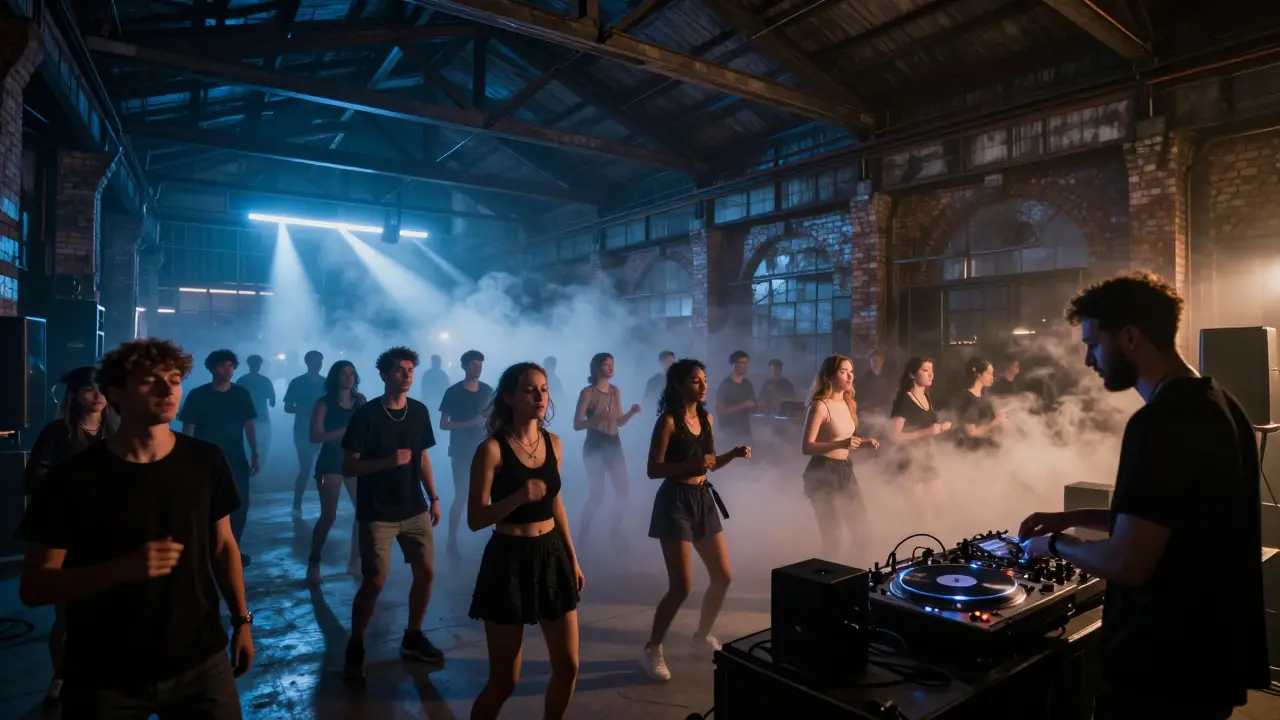
London doesn’t sleep. Not really. By 11 p.m., the city’s real energy kicks in. The streets fill with laughter, bass thumps through alleyways, and doors swing open to venues where the night becomes something you remember for years. If you’re looking for the night club London scene that actually delivers, you don’t need a guidebook. You need the real list-the ones locals swear by, the ones that don’t charge £50 just to walk in, and the ones where the music doesn’t sound like a Spotify playlist run through a filter.
It’s Not About the Name, It’s About the Vibe
Forget the glossy brochures. The clubs that last in London aren’t the ones with the most Instagram influencers. They’re the ones with the right sound, the right crowd, and the right attitude. Places like Fabric don’t advertise. They just open. And if you’ve ever stood in line at 1 a.m. on a Tuesday, waiting for a spot in their basement room with a 100% vinyl-only set, you know why. It’s not about the bottle service. It’s about the track that hits just right, the way the lights pulse when the kick drops, and the fact that no one’s checking your ID twice.
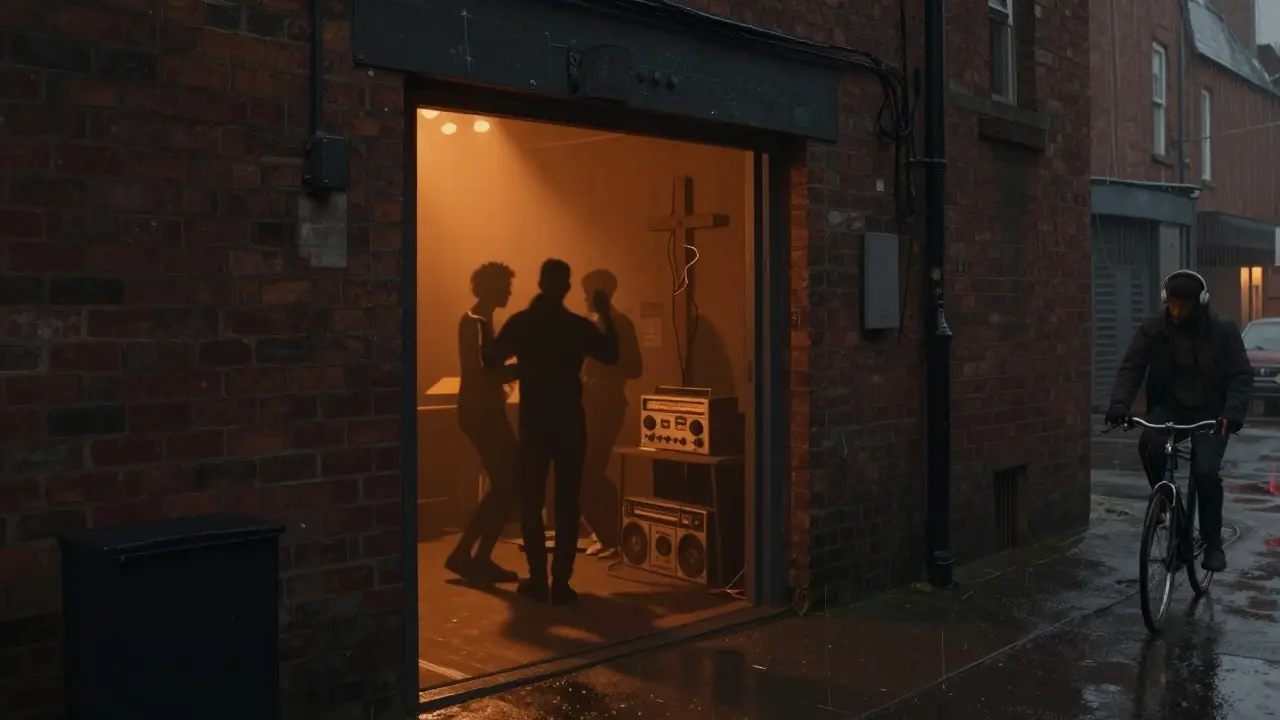
Same goes for The Cross in Dalston. It’s tucked away, no neon sign, no bouncer in a suit. Just a brick wall, a sound system built by engineers who’ve been tweaking it since 2008, and a crowd that’s there for the music, not the selfie. This isn’t a club you find on a tour bus. It’s one you hear about from someone who stayed until 6 a.m. and still showed up to work smiling.
Where the Music Actually Matters
London’s club scene splits into two camps: the ones that play what’s trending, and the ones that shape what’s next. The latter are the ones worth your time.
Printworks used to be a printing factory. Now it’s a cathedral of bass. The ceilings are 15 meters high. The speakers are custom-built. And the DJs? They’re the ones who’ve played in Berlin, Tokyo, and Detroit-and now they’re here because London still lets them experiment. You won’t hear Ed Sheeran remixes here. You’ll hear deep techno that builds for 20 minutes before the beat even kicks in. It’s not for everyone. But if you’ve ever felt music in your chest instead of just your ears, this is your place.
Then there’s XOYO in Shoreditch. It’s smaller, but the curation is tight. Every Friday, they bring in underground artists from across Europe. Last month, a producer from Bucharest played a set that blended Romanian folk samples with industrial beats. No one knew who they were. By 3 a.m., the whole room was singing along.
Who’s Really in the Room?
One of the biggest mistakes people make is showing up in a club expecting a certain type of crowd. London doesn’t work like that. The best nights happen when you don’t know who’s next to you.
At Egg London, you’ll find students in hoodie and trainers next to art directors in tailored coats. At The Windmill in Brixton, it’s punk kids, queer collectives, and retirees who’ve been coming since the ’90s. The dress code? Wear what makes you feel alive. No one’s judging. The bouncers care if you’re causing trouble-not if your shoes cost more than your rent.
And the gender balance? It’s shifting. Women make up nearly 60% of the regulars at clubs like The Social and The Old Blue Last. The scene isn’t dominated by guys in suits anymore. It’s led by DJs who are women, non-binary, or from immigrant backgrounds. The music reflects that. The energy reflects that. And honestly? The parties are better because of it.
When to Go (And When to Skip)
Friday and Saturday nights? They’re packed. Not in a fun way-in a shoulder-to-shoulder, can’t-find-your-friend, overpriced drinks kind of way. If you want to actually dance, don’t go on weekends unless you’re okay with waiting 45 minutes just to get a gin and tonic.
Instead, aim for Thursday or Sunday. Thursday nights at The Jazz Café are legendary. The crowd is thinner, the sound is cleaner, and the DJs play longer sets. Sunday is when the real heads come out. At The George Tavern in Stepney, you’ll find house and disco from midnight to 8 a.m. No VIP section. No bottle service. Just a wooden floor, a DJ spinning from a laptop, and a bar that sells beer for £4.50.
And avoid the tourist traps. Clubs like Hakkasan or Ministry of Sound are fine if you want to see celebrities on a Friday night. But if you want to feel like you’re part of something real, skip them. They’re expensive, loud, and feel more like a theme park than a club.
How to Get In (Without Paying Extra)
Here’s the secret: most London clubs don’t charge cover on weekdays. Even on weekends, many have free entry before midnight-if you’re on the list.
Don’t rely on Instagram DMs or third-party apps. Go straight to the club’s website. Most have a guest list form. Fill it out. Be honest. Say you’re a local. Say you’ve been before. Say you’re there for the music. They’ll notice. They’ll remember. And if you show up on time-say, 10:30 p.m.-you’ll walk right in.
Pro tip: Bring a friend who’s been before. If they’ve got a history with the venue, you’ll get in faster. And if you’re going solo? Show up early. The earlier you arrive, the less likely you are to get turned away.
What to Drink (And What to Skip)
London clubs aren’t about expensive cocktails. They’re about good beer, good whiskey, and good vibes.
At The Windmill, you can get a pint of Camden Hells for £4. At The Social, they’ve got a rotating tap of independent breweries from across the UK. Skip the £12 mojitos. Skip the glitter vodka. Stick to the basics: lager, gin and tonic, or a neat whiskey. You’ll save money, stay clearer, and actually enjoy the night.
And if you’re going out on a budget? Most clubs have a happy hour between 9 and 11 p.m. It’s not advertised. Ask the bartender. They’ll tell you.
What Happens After the Music Stops?
The night doesn’t end when the club closes. It just moves.
At 6 a.m., head to a 24-hour diner like The Allotment in Peckham. Order scrambled eggs, toast, and a strong coffee. You’ll find people from the club still talking, laughing, or just sitting quietly. No one’s in a rush. No one’s checking their phone. It’s the quiet after the storm-and it’s just as special.
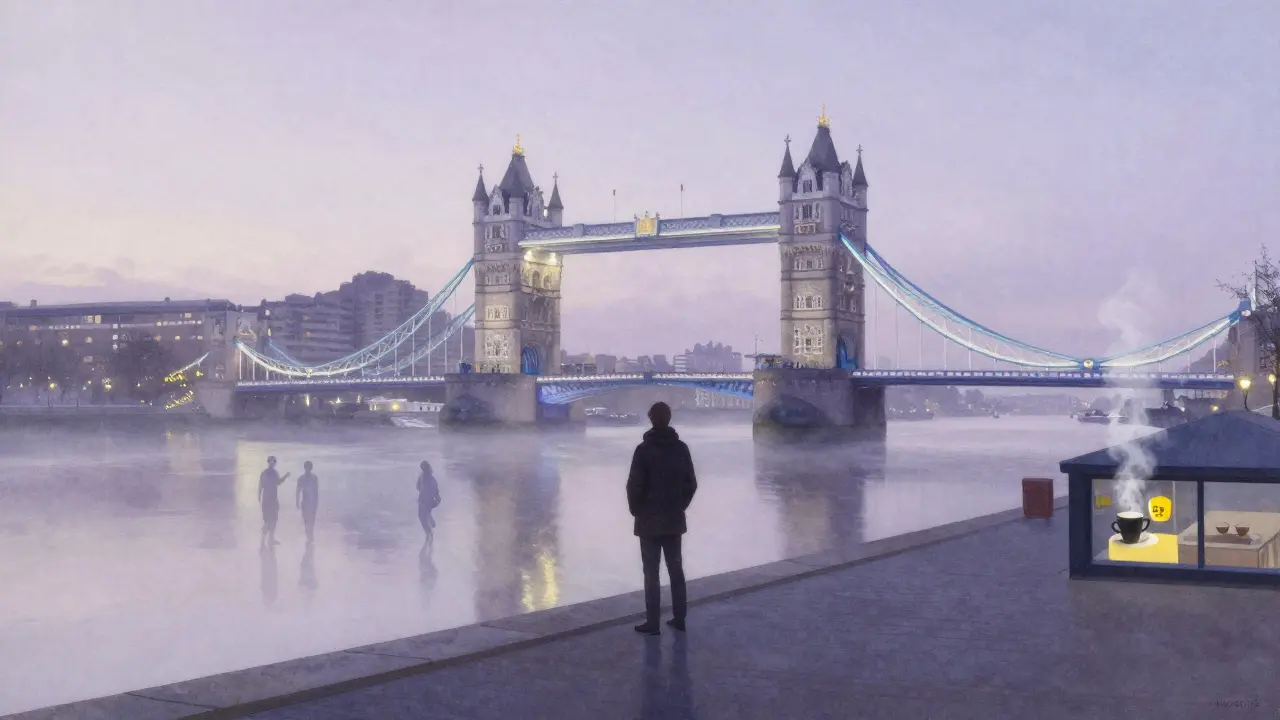
Or walk to the Thames. The river’s still there. The lights from Tower Bridge still glow. The city’s quiet for five minutes. And for the first time all night, you can hear yourself think.
Final Rule: Don’t Chase the Night. Let It Find You
The best nights in London don’t happen when you plan them. They happen when you’re walking past a club you’ve never heard of, hear music you can’t place, and just walk in.
That’s how you find the real ones. Not by scrolling through lists. Not by following influencers. But by showing up, staying open, and letting the night surprise you.
London’s clubs aren’t just places to dance. They’re spaces where people come together-not because they’re rich, famous, or cool-but because they love music, movement, and the kind of connection you only find when the lights are low and the beat is loud.
So go. Don’t overthink it. Wear what you want. Show up early. Stay late. And if you hear a track you’ve never heard before? That’s the one you’ll remember forever.
What’s the best night club in London for techno music?
Printworks is the top choice for techno in London. It’s a massive former printing factory with a sound system built for deep, immersive beats. DJs here play long, experimental sets-no pop remixes, no commercial tracks. The crowd is serious about music, and the vibe is raw, real, and relentless. If you want to hear techno the way it’s meant to be heard, this is where you go.
Are London night clubs expensive?
Some are, but many aren’t. Tourist spots like Hakkasan or Ministry of Sound charge £25-£50 cover and £15+ for drinks. But local favorites like The Cross, The Windmill, and Egg London have free or low-cost entry (often under £10), and drinks start at £4-£6. Skip the VIP packages. Stick to weekdays. You’ll get better music, better vibes, and way more value.
Can I get into London clubs without a guest list?
Yes, absolutely. Many clubs have free entry before midnight, especially on Thursdays and Sundays. Just show up early-around 10-10:30 p.m.-and be polite. Dress comfortably, not flashy. If you’re alone, don’t worry; solo visitors are common. The bouncers care more about your attitude than your outfit or who you know.
What time do London clubs actually close?
Most clubs in London are licensed until 3 a.m. on weekends, but many stay open later unofficially. Places like The George Tavern and The Jazz Café often keep music going until 6 a.m. or later, especially on Sundays. Always check the club’s website or social media-some post last entry times, others don’t. If the music’s still playing, don’t assume it’s over.
Is London nightlife safe for solo visitors?
Yes, especially in areas like Shoreditch, Dalston, Brixton, and Peckham. The clubs are well-lit, staffed by trained security, and the crowd is generally respectful. Stick to well-known venues, avoid walking alone in quiet streets after 3 a.m., and use the Night Tube or a licensed taxi. Most people go out alone in London-it’s normal. Just stay aware, trust your gut, and you’ll be fine.




10 Comments
Andrew Cheng
December 6, 2025 AT 15:44Just hit Printworks last Thursday-holy shit, the bass was physical. Felt it in my teeth. No one was on their phone, no one was taking pics. Just bodies moving like they were possessed. This is what I came to London for. 🙌
Jillian Angus
December 6, 2025 AT 22:58Wait… so you’re telling me there’s NO corporate surveillance in these clubs? That’s a lie. Every DJ set is tracked by facial recognition. The ‘vinyl-only’ thing? It’s a cover. They’re harvesting your biometrics to sell to Spotify. I saw a guy get kicked out for smiling too wide. He was flagged as ‘high-energy potential customer.’
Jennie Magalona
December 6, 2025 AT 23:53There’s something deeply human about how London’s underground clubs operate-not as entertainment venues, but as temporary sanctuaries for sonic communion. The absence of performative aesthetics, the quiet reverence for sound as art, the way strangers become kin through shared rhythm… it’s a rare social contract. Most cities have parties. London has rituals.
Aashish Kshattriya
December 8, 2025 AT 19:01Ministry of Sound is owned by the same people as the NHS. They want you broke so you’ll take their drugs.
leslie levin
December 10, 2025 AT 00:24OMG I went to The Cross last month and the DJ played this insane mix of Romanian folk and dubstep?? I cried?? Like, full-on ugly tears?? 😭💖
Gordon Kahl
December 11, 2025 AT 12:27So you’re telling me the ‘real’ London club scene is just… a bunch of broke people in hoodies listening to noise in a warehouse? Cool. I’ll stick with the $20 cocktails and glitter lights. At least I know I’m paying for the illusion. Realism is overrated.
Laura Fox
December 11, 2025 AT 19:52While I appreciate the romanticization of underground culture, one must acknowledge the structural economic disparities that enable such spaces to exist. The normalization of unpaid labor by DJs, the exploitation of rent-controlled industrial spaces, and the commodification of ‘authenticity’ as a marketable aesthetic fundamentally undermine the purported egalitarianism of these venues. This is not liberation-it is neoliberal aestheticism dressed in denim.
Olivia Pang
December 13, 2025 AT 07:43Technically, Printworks isn't a 'former printing factory'-it was a commercial offset printing facility operational from 1989 to 2015. Also, 'bass' is not a noun that can be 'immersive'; that's a misused metaphor. And you misspelled 'Shoreditch' as 'Shoreditch'-it's S-H-O-R-E-D-I-T-C-H. Fix your orthography before you write about culture.
Lise Cartwright
December 13, 2025 AT 08:09everyone says printworks but i think its just a big warehouse and the sound is too loud and the bouncers are mean and i heard they put cameras everywhere to track who’s coming back. also why is everyone always talking about techno? what about pop? i just wanna dance to ed sheeran
Amanda turman
December 13, 2025 AT 18:45You think you’re safe in those clubs? They’re all run by the same shadow syndicate that controls the NHS, the Tube, and your Uber ratings. That £4.50 beer? It’s laced with microchips. They’re building a behavioral database through your sweat and your dance moves. I saw a guy get flagged for head-bobbing too hard. He vanished. No one talks about it. But I’m telling you now-don’t go. Stay home. Watch Netflix. You’re safer.