
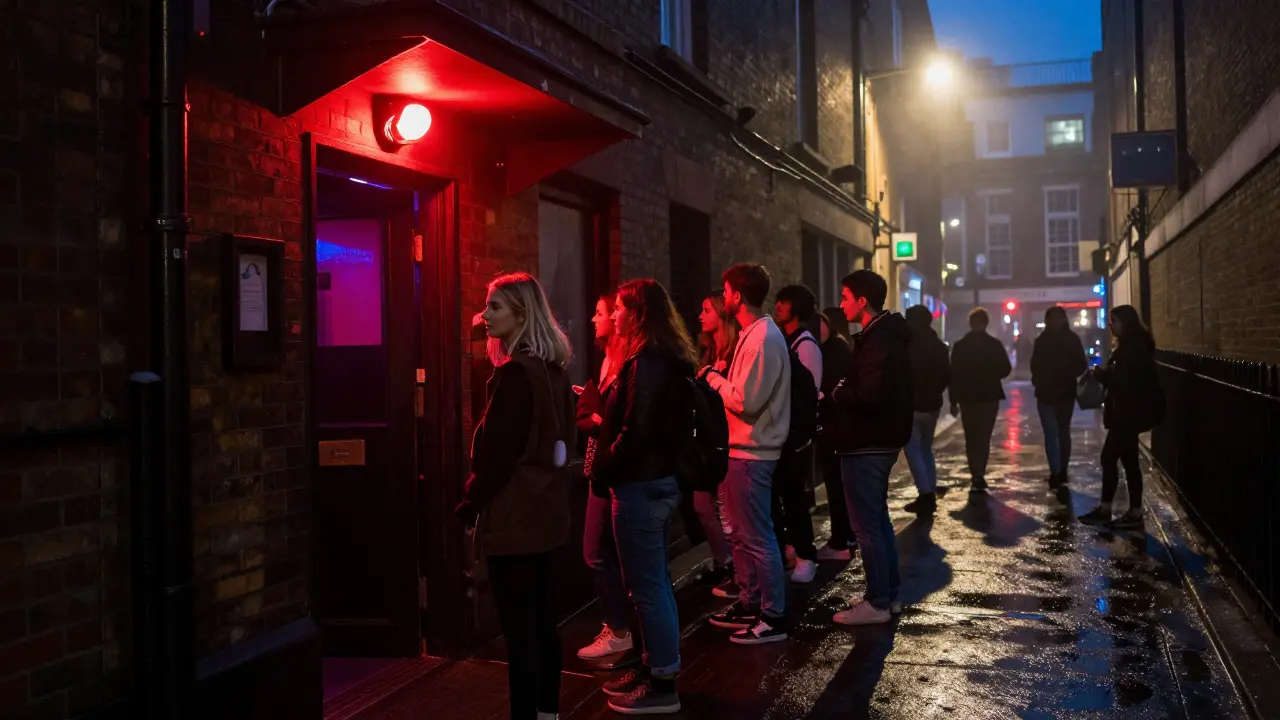
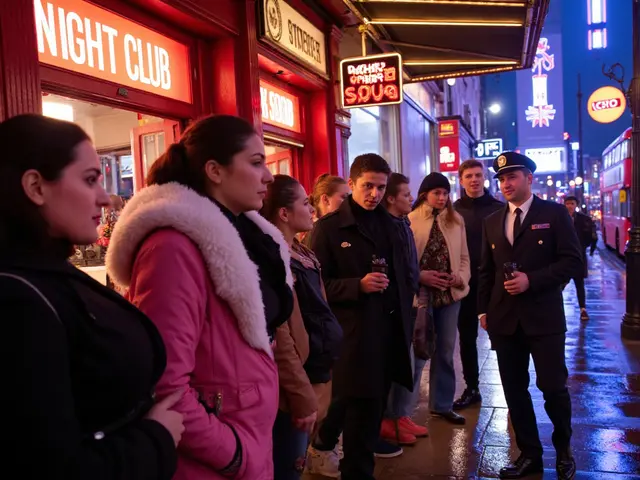
London doesn’t sleep. Not really. By 11 p.m., the city’s real energy starts to rise. The streets fill with laughter, bass thumps through basement walls, and the line outside a hidden club stretches past the corner. This isn’t just partying-it’s a ritual. And if you’re looking for the real London night scene, not the tourist traps, this is your bible.
What Makes London’s Nightclubs Different?
Forget what you saw in movies. London’s clubs aren’t about glitter and VIP sections with overpriced champagne. They’re about sound, space, and surprise. You can walk into a warehouse in Peckham and find a techno set from a Berlin legend. Or slip into a basement in Soho where a jazz band plays until 4 a.m. with no cover charge. The city’s clubs don’t just play music-they curate experiences.
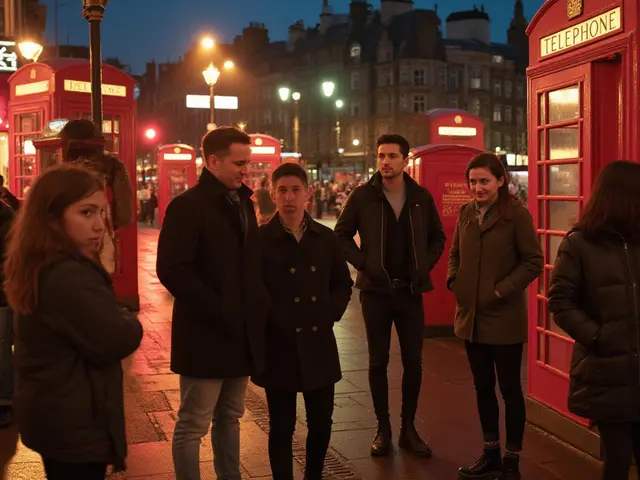
Unlike other cities, London’s nightlife thrives on diversity. You’ll find reggae nights in Brixton, house parties in Hackney, K-pop dance floors in Shoreditch, and underground raves in Camden-all within a 30-minute tube ride. The rules? No dress codes (unless it’s a private members’ club). No bouncers asking for ID unless you look under 25. And absolutely no asking for a table reservation unless you’re booking six months ahead.
The Top 5 Clubs You Can’t Miss in 2026
Not all clubs are built the same. Some are loud. Some are quiet. Some make you feel like you’re in a secret society. Here are the five that consistently deliver, year after year.
- Fabric - Still the gold standard. Open since 1999, this Bermondsey institution is where UK house and techno was forged. The sound system? Built by the same team behind the legendary Berghain. The rule? No phones on the dance floor. You’re here to feel the music, not film it.
- The Nest - A tiny, unmarked door in Peckham. No sign. Just a single red light. Inside? A 120-capacity room with a DJ booth that looks like it was lifted from a 1990s Tokyo basement. Expect deep house, soulful techno, and DJs who’ve never played anywhere else. Doors open at midnight. Lines form by 10:30 p.m.
- Heaven - A London icon. The rainbow-lit entrance, the glittering ceiling, the drag shows that turn into full-blown dance battles. It’s queer, it’s loud, it’s unapologetic. The Friday night ‘Heavenly’ party draws crowds from across Europe. Dress up. Or don’t. No one cares.
- KOKO - A historic venue turned hybrid club and live space. Located in Camden, it’s where you’ll catch a surprise pop-up set from a rising artist one night and a full-on rave with 1,500 people the next. The basement has one of the best sound systems in the city. And yes, they still serve £3 pints on Tuesdays.
- Barbican’s After Hours - Not a club? Technically, no. But every Friday and Saturday, the Barbican Centre opens its doors after 11 p.m. for experimental electronic sets, spoken word, and immersive art installations. It’s free. No drinks sold. Just music, light, and silence between tracks. If you’ve ever wondered what clubbing feels like without alcohol, this is it.
Where to Find the Hidden Gems
The best clubs in London aren’t on Google Maps. They’re on Instagram DMs. On WhatsApp groups. On the back of a flyer taped to a tube station pillar.
Follow @londonundergroundclubs on Instagram. It’s not a brand. It’s a network of 20,000 locals who post secret event locations 24 hours before they happen. One week it’s a disused church in Islington. The next, it’s a rooftop in Walthamstow with a DJ from Lagos.
Or just wander. Head to Dalston on a Thursday. Walk down Kingsland Road. You’ll hear music leaking from a shuttered shop. Knock. Someone will let you in. You’ll pay £5 at the door. You’ll stay until sunrise. You won’t remember how you got home.
Drinks, Costs, and What to Expect
Drink prices? They vary wildly. At Fabric, a pint of lager is £7. At KOKO, it’s £5.50. At a private members’ club in Mayfair? £18 for a gin and tonic. The average club in East London charges £6-£8 for a standard drink. And yes, cash is still king in most places. Card payments? Sometimes. But never trust it.
Entry fees? Mostly free before midnight. After that? £5-£15. Some clubs charge £20 for headline acts, but they’ll let you in for free if you’re on the guest list. How do you get on it? Ask. Text the club’s Instagram. DM a DJ. Be polite. Say you’ve been to their last show. Most of the time, they’ll say yes.
And here’s the truth: you don’t need to spend money to have a great night. Many of the best parties start with a playlist on someone’s laptop and a borrowed speaker. The vibe matters more than the price tag.
How to Stay Safe and Smart
London is generally safe at night, but clubs can get crowded. Always know your way out. Memorize the nearest tube station. Keep your phone charged. Use a crossbody bag. Don’t leave your drink unattended. And if someone offers you a pill? Walk away. London’s nightlife has a reputation for being open and welcoming-but not every stranger is there for the music.
Use the London Nightline service. It’s a free, volunteer-run taxi network that picks you up from clubs after 2 a.m. No surge pricing. No app. Just call 020 7702 7878. They’ll come. They’ll take you home. No questions asked.
When to Go? The Best Nights for Each Vibe
- Monday - Quiet. Great for catching up with friends over cocktails. Try The Punch Room in Soho.
- Tuesday - Low-key dance nights. KOKO and Rich Mix in Bethnal Green have £3 drinks and live sets.
- Wednesday - Underground parties. Look for events tagged #LdnUnderground on Instagram. Often free.
- Thursday - The real start of the weekend. Heaven and Fabric start ramping up. The crowd is more local than tourist.
- Friday - The busiest. Expect lines. Go early. Or go late-after 1 a.m., the real crowd arrives.
- Saturday - Peak. If you’re not ready to dance until 3 a.m., you’re already behind.
- Sunday - The quietest. But some clubs, like Barbican, host chill, art-focused events. Perfect if you’re tired of loud music.
What’s New in 2026?
This year, London’s clubs are leaning into sustainability. Fabric now uses solar-powered lighting. KOKO has gone plastic-free. And The Nest partners with local food vendors to serve zero-waste snacks. Even the bouncers are trained in mental health first aid. The scene isn’t just about dancing anymore-it’s about community.
Also, new clubs are popping up in places you wouldn’t expect. A former laundrette in Croydon now hosts monthly jazz and poetry nights. A converted garage in Lewisham has become a hub for Afrobeat and dancehall. The city’s pulse is shifting-and it’s more alive than ever.
Final Rule: Don’t Plan It. Live It.
The best nights in London aren’t scheduled. They’re stumbled into. You don’t need a list. You don’t need a map. You just need to show up. Put your phone away. Talk to someone. Dance like no one’s watching. Because in London, the music doesn’t stop because the clock says so. It stops because you decide to go home.
What’s the best time to go to a London nightclub?
The best time depends on the club. Most clubs open around midnight, but the real energy starts after 1 a.m. Weekdays like Thursday and Friday are quieter before midnight and get packed after 2 a.m. If you want to avoid crowds, aim for 12:30-1 a.m. on a Thursday or Friday. If you want the full experience, don’t arrive until after 2 a.m.-that’s when the DJs and regulars are fully in the zone.
Do I need to dress up to go clubbing in London?
Not usually. Most clubs in London have no strict dress code-jeans, a t-shirt, and clean sneakers are fine. Exceptions are private members’ clubs in Mayfair or Knightsbridge, which may ask for smart attire. But even then, a blazer and dark trousers are enough. The real rule? Don’t wear sportswear. No tracksuits. No flip-flops. And if you’re going to Heaven or a queer night, feel free to go wild-glitter is encouraged.
Are London nightclubs expensive?
Drinks cost between £6 and £10 at most clubs. Entry is often free before midnight and £5-£15 after. Some clubs charge more for big-name DJs, but many underground spots are free or ask for a £5 donation. You can easily have a full night out for under £25 if you stick to East London or South London venues. Avoid tourist-heavy areas like Leicester Square-prices there can double.
Is it safe to go out alone in London at night?
Yes, it’s generally very safe. London has one of the best nightlife safety networks in Europe. Use the free Nightline taxi service after 2 a.m. Stick to well-lit streets. Avoid alleyways behind clubs. Most venues have trained staff and CCTV. Many clubs also have designated safe spaces for anyone feeling uncomfortable. If you’re alone, let someone know where you are. But don’t let fear stop you-London’s nightlife is built for everyone.
How do I find secret or underground parties in London?
Follow Instagram accounts like @londonundergroundclubs and @londonclubdiaries. Join WhatsApp groups through local Facebook communities (search "London clubbers"). Many events are announced just 24 hours in advance. You can also ask DJs after their sets-they often share info with regulars. The best parties aren’t advertised. They’re whispered.
What’s the difference between a bar and a nightclub in London?
A bar is for drinking and chatting. A nightclub is for dancing and losing yourself in music. Bars have tables, chairs, and quiet corners. Nightclubs have sound systems that shake your chest, dim lights, and no seating. Some places, like KOKO and The Nest, blur the line-they start as bars and turn into clubs after midnight. If the music is loud enough to make you forget your name, you’re in a club.



7 Comments
Trent Curley
February 10, 2026 AT 20:25Let’s be real-Fabric is overrated. The sound system’s good, sure, but the no-phones rule is just performative. Everyone’s still filming through their jacket pockets. And don’t get me started on ‘The Nest’-a red light and a basement? That’s not underground, that’s just poorly lit. Real underground is when you don’t even know the address until you’re already inside. Also, why is everyone acting like KOKO’s £3 pints are some revolutionary act? I’ve had cheaper drinks in Prague. This guide reads like a BuzzFeed list written by someone who’s never been to a rave before 2015.
And Barbican? Free? No drinks? That’s not a club, that’s a lecture hall with speakers. If you’re not sweating and sticky by 3 a.m., you didn’t go out-you just attended a cultural exhibit.
Also, ‘no dress code’? Please. Walk into Heaven in cargo shorts and a hoodie and see how fast they ‘accidentally’ lose your ticket. This isn’t inclusivity, it’s selective gatekeeping with glitter.
And who the hell still uses WhatsApp groups for club info? That’s 2017. Telegram channels. End of story.
Ntombikayise Nyoni
February 12, 2026 AT 16:40There are several grammatical inconsistencies in this guide. For instance, 'You’re here to feel the music, not film it.'-this comma splice is incorrect. It should be either two sentences or joined with a conjunction. Also, 'no cover charge' should be hyphenated as 'no-cover charge' when used attributively. Furthermore, '£5-£15' lacks consistency in spacing around the en dash. These may seem trivial, but in a publication that purports to be authoritative, precision matters.
Additionally, the phrase 'cash is still king' is outdated. Contactless payments now account for over 70% of transactions in London nightclubs, according to the latest BBA report. The assertion that 'card payments? Sometimes' is misleading and potentially dangerous advice for visitors unfamiliar with local norms.
Gabriel Sutton
February 12, 2026 AT 18:15I love how this guide captures the soul of London’s scene-not just the spots, but the feeling. The way you describe The Nest-no sign, just a red light-that’s the magic. I’ve been to that place twice. First time, I stood there for 20 minutes wondering if I was hallucinating. Second time, I brought a friend from Tokyo. She cried when the first beat dropped. That’s the point. This isn’t about who’s famous or how much you spend.
And Barbican? Yes. That’s the future. Music without alcohol, without pressure, without performative cool. I’ve been to three of those nights. Sat on the floor. Listened to a 40-minute ambient set while watching light patterns shift across the ceiling. Felt like I was inside a dream.
Also, shoutout to the folks running @londonundergroundclubs. I got into a warehouse in Barking last month because of them. A 72-year-old Nigerian drummer played traditional Yoruba rhythms with a modular synth. No one knew who he was. Everyone stayed until dawn. That’s the real London. Not the clubs with logos. The ones where people show up because they love the sound, not the brand.
To anyone reading this: if you’re nervous about going alone, just go. Say hi to the person next to you. Ask them how they found the party. Nine times out of ten, they’ll invite you to the next one. This scene survives because of connection. Not marketing.
Jason Parker
February 14, 2026 AT 07:29I’ve been to all five of these clubs, and I’m surprised how accurate this is. Fabric’s sound system really does feel like it’s vibrating your bones-not just in your ears. And I didn’t know about Barbican’s After Hours until last month. I went because I was too tired to party, and ended up staying for three hours. The silence between tracks? That’s the part that stayed with me.
Also, the Nightline service is legit. I got picked up at 3:15 a.m. after my phone died and my Uber surge hit £80. Guy in the backseat was a retired firefighter who volunteered because he used to work security at Heaven. He told me stories about the 90s. Didn’t even charge me. Just said, ‘You’re safe now.’
One thing missing: the Sunday morning afterparties. Not clubs, not even parties. Just someone’s flat in Dalston with a speaker on the balcony, a kettle boiling, and a playlist of 2000s UK garage. No one talks. Just drinks tea and sways. I’ve been to three. Each one felt like coming home. If you’re ever in London on a Sunday, just wander toward the sound of old-school beats. Someone will let you in.
Jessica Montiel
February 15, 2026 AT 02:54Ugh the barbican thing is cute i guess like wow free music so innovative what a surprise no one ever thought of that before lol
Natalie Norman
February 16, 2026 AT 18:08This guide made me cry. Not because it’s perfect-it’s not-but because it remembers that clubs aren’t about money or fame. They’re about that moment when the bass hits and you realize you’re not alone. I went to Fabric for the first time last year. I was 37, divorced, and thought I’d lost my spark. I danced until my feet bled. No one cared. No one asked why I was there. I just… belonged.
And The Nest? I’ve been twice. First time, I didn’t know the DJ. Second time, he looked at me and said, ‘You’re back.’ I didn’t say anything. I just nodded. That’s all that mattered.
London doesn’t need more clubs. It needs more people who show up without expectations. This guide? It’s a love letter.
Nithin Kumar
February 17, 2026 AT 11:36LONDON CLUBS ARE OVERHYPED BRO I WENT TO FABRIC AND IT WAS JUST A BASEMENT WITH LOUD MUSIC NO DIFFERENT FROM MUMBAI CLUBS I SAW LAST MONTH