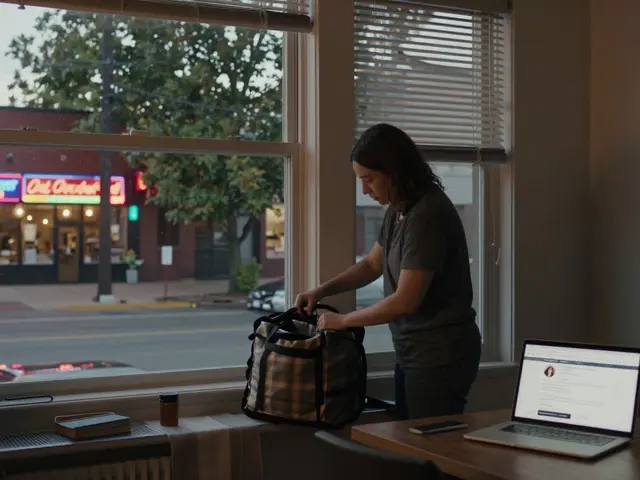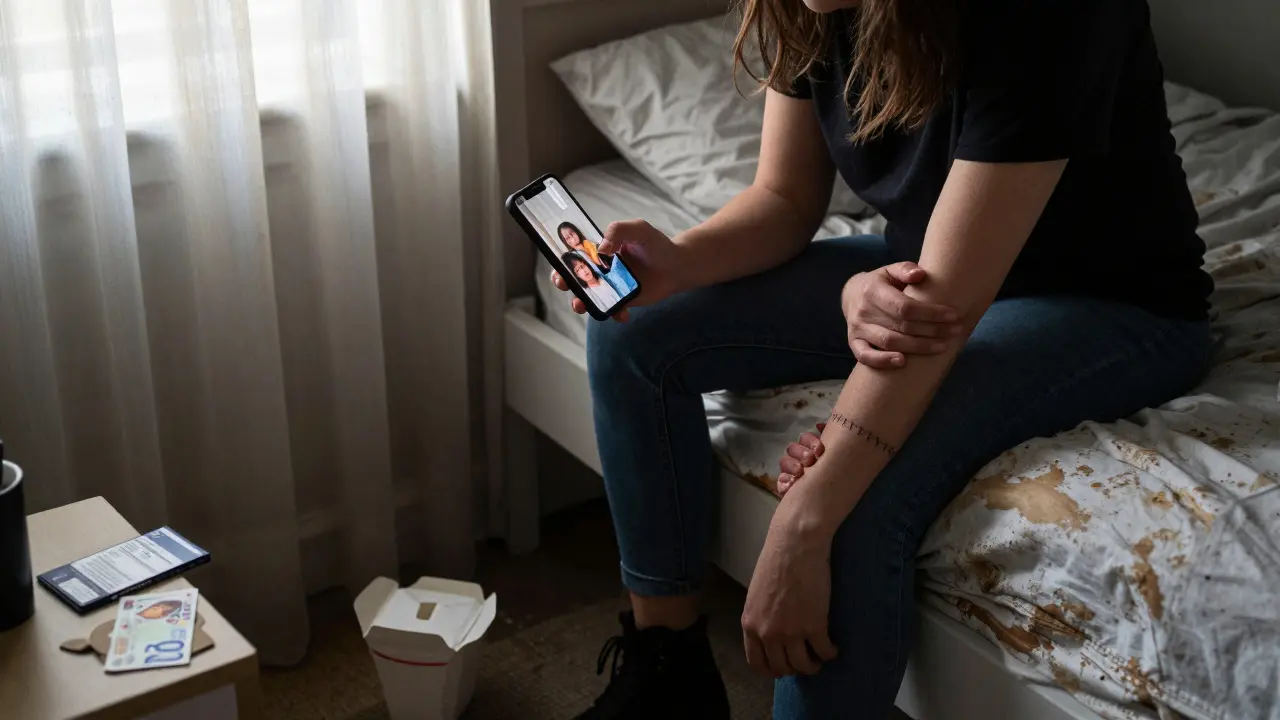
They don’t talk about this on the news. Not the quiet mornings, the worn-out shoes, the way some of them still call their moms every Sunday, even if they don’t tell them where they are. Not the nights they spent stitching up their own bruises because the hospital asked too many questions. Not the way one woman in Manchester saved up £3,000 over 18 months just to get a lawyer after a client threatened to post her photos online. These aren’t statistics. These are lives.
They Didn’t Choose This Because They Wanted To
Most people think sex work is a choice like picking a job at a coffee shop. It’s not. For many, it’s the only option left after homelessness, abuse, immigration status, or a system that failed them long before they ever stepped into a room. A woman named Leah, who worked in London for seven years, told me she started after her partner left her with £40 in her bank account and two kids to feed. She didn’t have a degree. She didn’t have family nearby. She had a phone, a bus pass, and a fear of the welfare system. So she picked up work.
She didn’t wake up one day and say, "I want to be a sex worker." She woke up and said, "How do I keep my kids from going hungry?" That’s the real story behind most of these tales.
The Violence Nobody Talks About
In 2023, a study by the UK Sex Workers’ Union found that 68% of sex workers had experienced physical violence in the past year. Half of them didn’t report it. Why? Because when you call the police, they don’t always see you as a victim. They see you as someone who "chose" this life. They ask if you were "doing something wrong." They ask if you were "in a safe environment."
One man in Glasgow, who went by the name Mark, was stabbed in the back by a client who claimed he "didn’t agree with the price." Mark didn’t go to the hospital. He stitched himself up with a needle and thread in his flat. He didn’t tell anyone. He just kept working. "I had rent," he said. "I had bills. No one else was going to pay them."
The Unexpected Allies
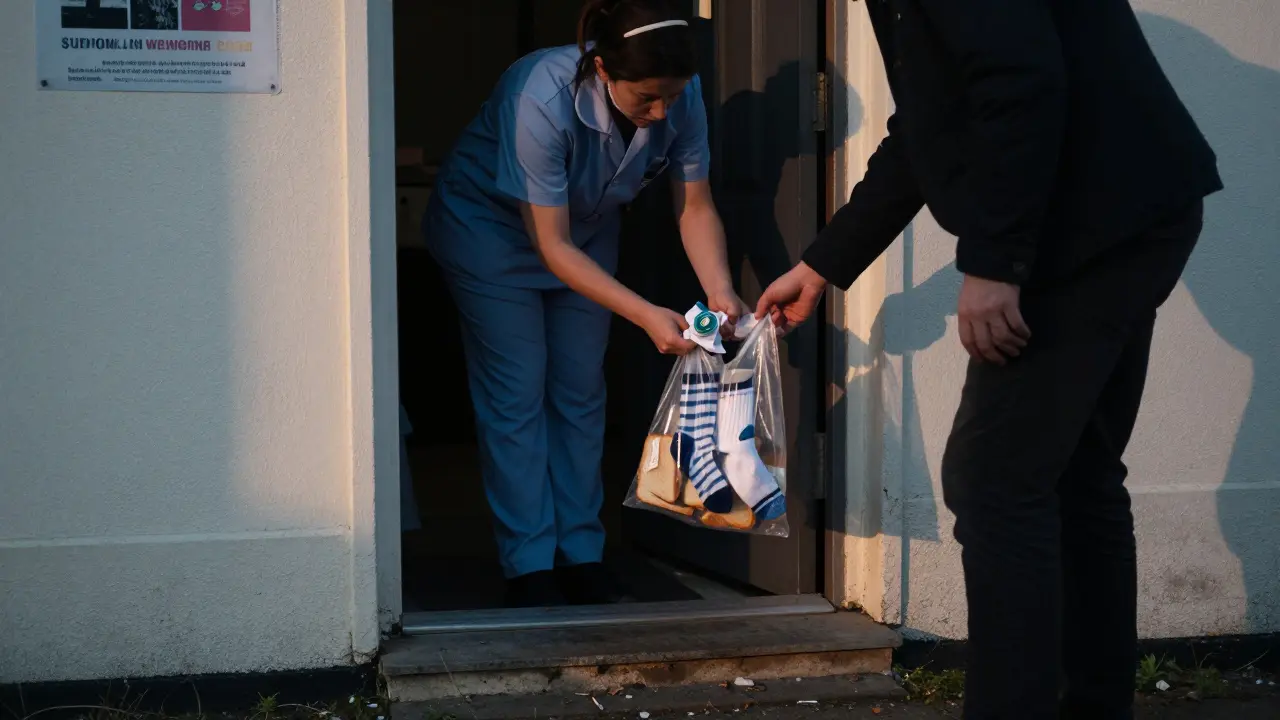
Not everyone turned their back. Some people showed up when no one else did. A nurse in Brighton started bringing snacks and clean socks to sex workers outside her clinic. She didn’t ask for IDs. She didn’t ask for stories. She just showed up. Within a year, she’d helped 12 people get off the streets. One of them became a peer support worker. Now she runs a drop-in center in Bristol.
There’s also the lawyer in Liverpool who took on 47 pro bono cases from sex workers in 2024. She fought to get their criminal records cleared after they were arrested for soliciting - charges that kept them from getting housing or jobs. She won every single case. "They’re not criminals," she said. "They’re people who were pushed into corners and told they had no other way out."
How They Built Something Better
Some of the most powerful stories aren’t about survival - they’re about rebuilding. A group of former sex workers in Leeds started a cooperative. They pooled their savings, rented a small office, and created a service that helps others leave the industry. They offer legal advice, mental health support, and job training. One woman, now 32, went from working on the streets to becoming a certified childcare worker. She’s raising her daughter now. She says her biggest win wasn’t the job. It was the day her daughter asked, "Mum, what do you do?" and she didn’t have to lie.
Another group in Cardiff started a podcast. Just voices. No names. No faces. They talk about the shame, the fear, the moments they almost gave up - and the ones they didn’t. It’s been downloaded over 200,000 times. The most listened-to episode? "I didn’t want to die. I just wanted to be seen."
The System Still Lets Them Down
Even today, laws make life harder. The 2024 Policing Act gave police more power to shut down online ads - but didn’t give sex workers any alternative way to screen clients. So now, many are forced into more dangerous situations. Others are pushed into cash-only work, with no digital trail, no safety records, no way to prove abuse happened.
And housing? Forget it. Landlords won’t rent to people who have been arrested for sex work - even if the charges were dropped. Banks freeze accounts if someone deposits too many small cash payments. The system doesn’t just ignore them. It actively pushes them deeper into the shadows.

What They Need - Not What They’re Told They Need
People say they need "rescue." But what they actually need is:
- Decriminalization - not legalization. Legalization means rules, inspections, permits. Decriminalization means no crime, no record, no fear.
- Safe spaces - not shelters that lock you in, but drop-in centers where you can get food, a shower, and someone who doesn’t judge you.
- Access to healthcare - including mental health care that doesn’t pathologize their choices.
- Financial inclusion - banks that don’t freeze accounts for "suspicious activity" just because someone earns cash.
- Legal protection - when violence happens, they need police who treat them like victims, not suspects.
They don’t need to be saved. They need to be believed.
They’re Still Here
Every day, someone walks out of a room, closes the door, and takes a breath. They check their phone. They count their money. They text their kid: "Love you. See you tomorrow." Then they do it again.
Some of them will leave. Some won’t. But they’re not broken. They’re not lost. They’re not victims waiting for a savior. They’re people. With names. With dreams. With histories. With children. With mothers. With scars they hide under long sleeves.
And if you’re reading this and you’ve ever thought, "I don’t understand how they got here," maybe the real question is: "What would you have done if the world had given you nothing?"
Are all sex workers victims?
No. Some people enter sex work by choice, and they’re happy with it. But many others are there because they had no other options - because of poverty, abuse, immigration status, or lack of support. The truth is somewhere in between: some are empowered, some are trapped, and most are somewhere in between. Judging them as either "victims" or "empowered" oversimplifies a deeply human experience.
Why don’t they just get another job?
It’s not that simple. Many have criminal records from past arrests, which block them from jobs in retail, childcare, or even cleaning. Others have no access to childcare, no stable housing, or no bank account because their income is cash-based. Some are undocumented and can’t legally work anywhere else. The barriers aren’t about laziness - they’re built into the system.
Isn’t sex work dangerous?
Yes - especially when it’s criminalized. When sex work is illegal, people can’t screen clients properly, can’t report violence, and can’t access safety tools like shared databases or peer networks. In places where it’s decriminalized - like New Zealand - violence has dropped by over 60%. Safety doesn’t come from policing. It comes from legal rights and community support.
Do sex workers want to be "rescued"?
Many don’t. They don’t want to be saved from their work - they want to be saved from the stigma, the police raids, the eviction notices, the bank freezes, and the judgment. What they want is the same thing everyone else wants: dignity, safety, and the right to make their own choices without being criminalized for it.
How can I help?
Don’t assume you know their story. Support organizations that are led by current or former sex workers - like the UK Sex Workers’ Union or the English Collective of Prostitutes. Donate to housing funds, legal aid, or mental health services for sex workers. Speak up when someone says, "They chose this." Ask: "What would you do if you had nothing?" And most of all - listen.