London Club History: The Real Stories Behind the City's Nightlife
When you think of London club history, the evolution of underground music, social rebellion, and late-night culture in London over the last century. Also known as London nightlife evolution, it's not just about DJs and neon lights—it's about people carving out spaces to be free when the rest of the world told them to sit down. The clubs that shaped this city didn’t start in fancy buildings with velvet ropes. They began in basements, warehouses, and back rooms where the law didn’t reach and the music didn’t care who you were.
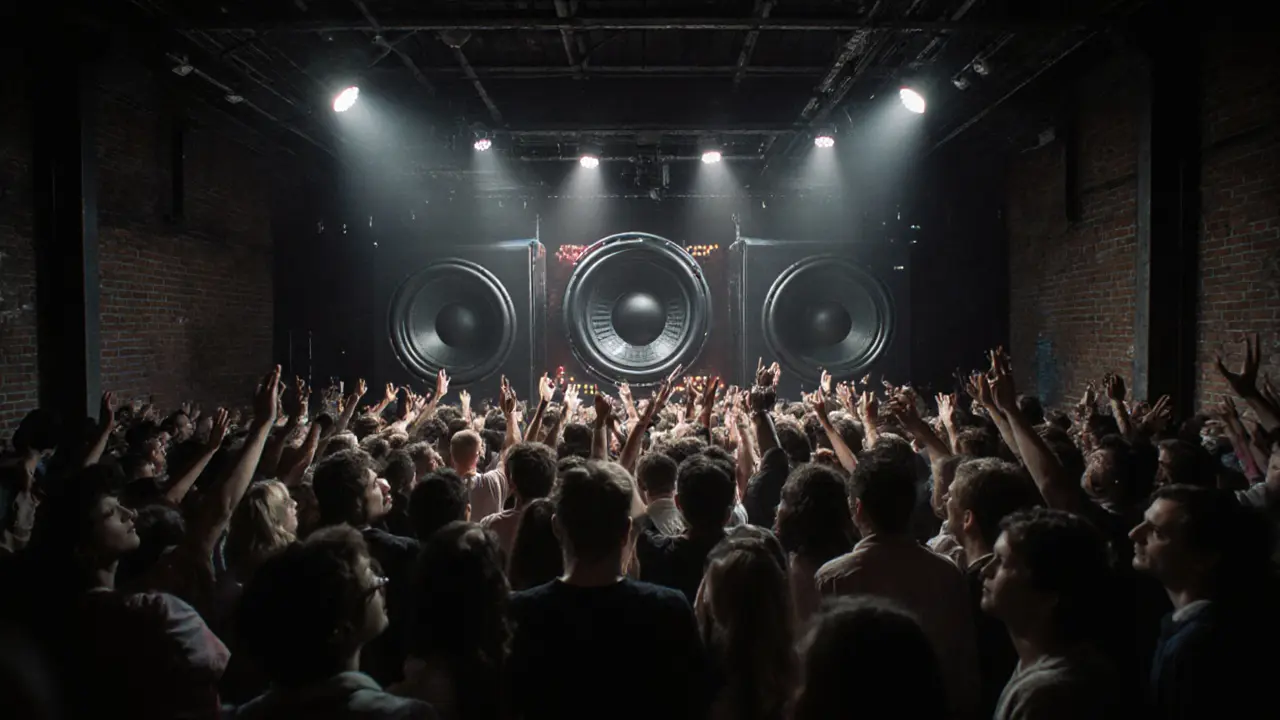
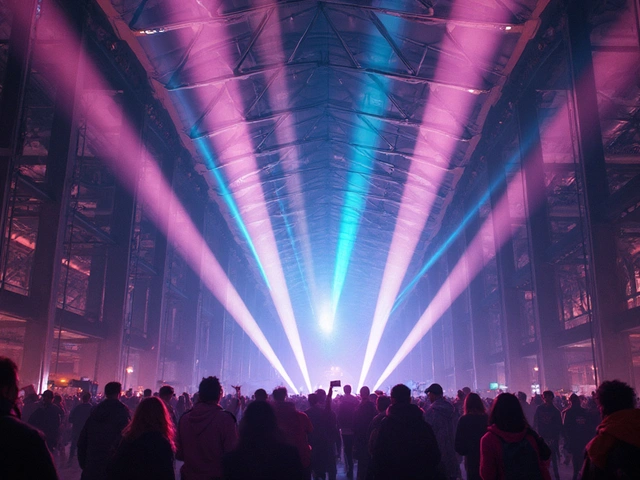
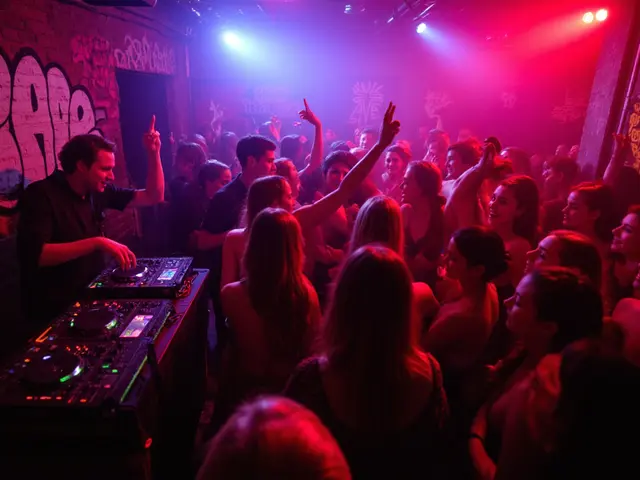
Think about the underground clubs London, hidden venues that emerged during economic hardship, political unrest, or cultural shifts. Also known as secret music spaces, these places gave rise to genres like punk, drum and bass, and garage before they ever hit the mainstream. In the 1970s, a squat in Peckham became a hub for punk bands because no legitimate venue would book them. In the 1990s, a disused factory in East London turned into one of the first rave spots where people danced until sunrise, not because they had money, but because they had nothing else to lose. These weren’t just parties—they were acts of resistance. And then there’s the night club London, the modern-day evolution of those spaces, where history still echoes in the bass and the crowd. Also known as contemporary London nightlife, today’s clubs still carry that DNA—whether it’s the raw sound at Drumsheds, the jazz sets in Soho, or the late-night food crawls that keep the night alive after the music stops. The people who run these places now? Many of them started as kids sneaking in, cleaning up after hours, or just standing in the corner, wide-eyed, watching it all happen.
What makes London’s club scene different isn’t the bottles or the VIP lists—it’s the layers. Every alleyway, every brick wall, every flickering bulb has a story. You can’t understand today’s escort culture or luxury dating scenes in London without knowing how these spaces birthed a new kind of social freedom. People didn’t just go out to dance—they went out to find connection, identity, and sometimes, escape. That’s why the most respected companions in London today often come from these same roots: they know how to read a room, how to listen, how to make someone feel seen in a city that rarely does.
What you’ll find in the posts below aren’t just articles about parties. They’re maps to the real London night—the hidden venues, the forgotten legends, the women who turned companionship into art, and the men who learned that the best nights aren’t bought, they’re earned. This is where the city’s soul still beats loud, even when the lights go down.
20 November 2025
Ethan Thornhill
Ministry of Sound is a legendary London club that revolutionized dance music with its world-class sound system, curated DJ sets, and influential compilations. Born in 1991, it became a global icon by putting music before trends.
Continue Reading...