When people think about adult entertainment, they often picture flashy websites or viral clips. But behind the screens and social media hype is a multi-billion dollar economy with real financial mechanics - taxes, payment processors, overhead costs, and income volatility. This isn’t fantasy. It’s business. And like any business, cash flow determines who survives and who fades away.
How Much Money Is Actually Made?
The global adult entertainment industry was worth an estimated $145 billion in 2025, according to industry analysts tracking digital transactions, subscription models, and private platform revenues. That’s more than the entire streaming market for Bollywood films. But here’s the catch: most of that money doesn’t go to performers. It flows through platforms, payment gateways, marketing agencies, and content distributors.
Take a popular solo performer on a subscription platform like OnlyFans. They might charge $20 a month. If they have 5,000 subscribers, that’s $100,000 monthly. Sounds great, right? But after platform fees (20%), payment processing charges (3-5%), taxes (25-40% depending on location), and content creation costs (cameras, lighting, editing, VPNs, security), their net income drops to around $45,000-$55,000 a year. That’s before rent, healthcare, or emergencies.
The Hidden Costs of Doing This Work
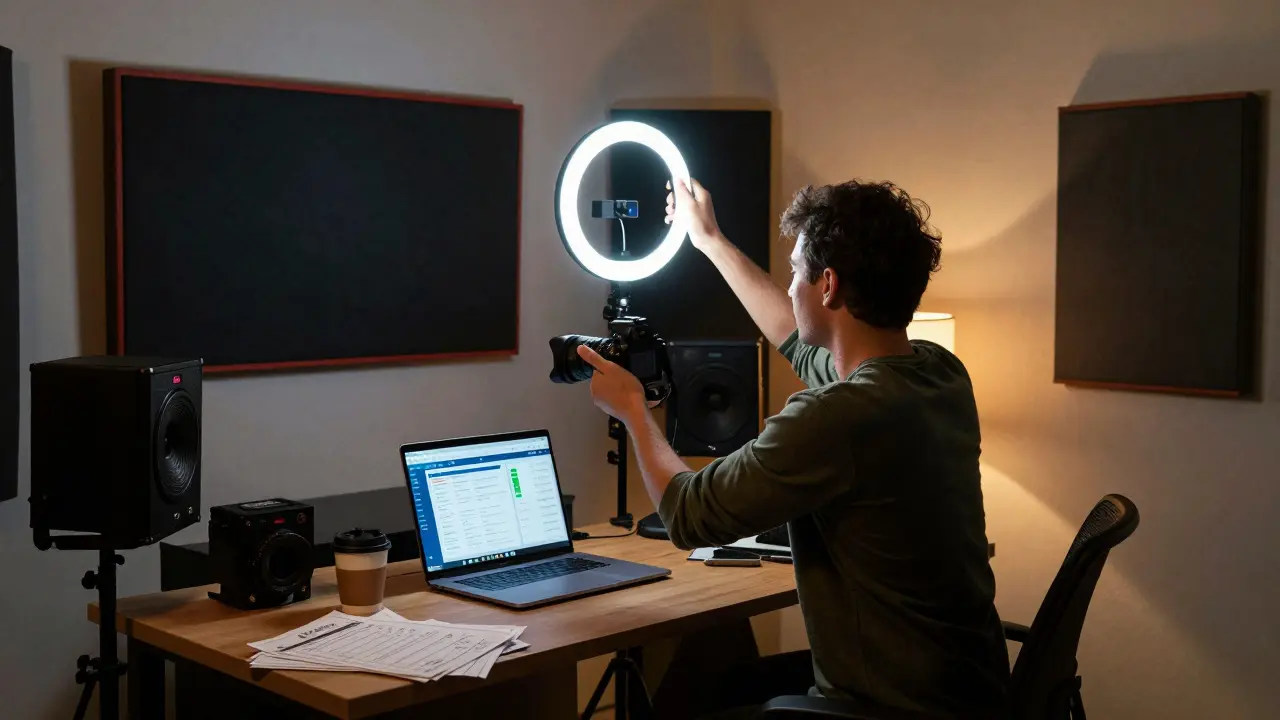
Most people don’t realize how much goes into making adult content look effortless. A single high-quality video can cost $800-$2,000 to produce. Lighting rigs, studio rentals, professional editing software, and copyright registration aren’t optional. Many performers hire virtual assistants to handle DMs, scheduling, and customer service. That’s another $1,000-$3,000 a month.
Then there’s security. Doxxing is real. Performers pay for encrypted communication tools, burner phones, private servers, and sometimes even private investigators to track threats. Legal fees for contract reviews and copyright disputes add up fast. One performer in Toronto told me she spent $12,000 in 2024 just to fight a single case of stolen content.
And insurance? Most traditional policies won’t cover adult content creators. Some turn to niche providers like PerformerShield a specialized insurance provider for adult content creators offering liability, privacy breach, and income loss coverage, but those policies cost $300-$600 a month. That’s more than many full-time workers pay for health insurance.
Who Controls the Money Flow?
The real power lies with payment processors and platforms. Companies like Stripe, PayPal, and even cryptocurrency gateways have strict policies against adult content. Many performers rely on third-party processors like CCBill a payment processor specializing in adult industry transactions, handling billing, fraud prevention, and recurring subscriptions or Flux a blockchain-based payment system designed for adult creators to bypass traditional banking restrictions. These services take 15-25% in fees - and they can freeze accounts without warning.
Platforms like OnlyFans, ManyVids, and FanCentro control the audience. They set the rules, change algorithms overnight, and can ban users for violating vague terms of service. One performer in Miami lost her entire account in 2025 after a single complaint - no appeal, no explanation. Her $80,000 annual income vanished in 48 hours.
Income Isn’t Stable - It’s a Rollercoaster
Unlike a 9-to-5 job, income in adult entertainment is unpredictable. A viral clip can bring in $50,000 in a week. But the next week? Nothing. Algorithms shift. Trends change. Audiences move on. Performers who rely on one platform or one type of content often face financial crashes.
Top earners diversify: live shows, merchandise, coaching, Patreon, private bookings, and even writing guides or courses. One performer in Berlin runs a $12,000/month business teaching others how to build their brand - not because she loves teaching, but because it’s the only stable income stream left after three platform bans.
Even then, taxes are brutal. In the UK, self-employed performers must file quarterly taxes. Without a steady paycheck, saving for retirement or healthcare is nearly impossible. Many use crypto wallets or offshore accounts to manage funds - but that opens them up to legal gray zones.
The Rise of Decentralized Models
More performers are leaving centralized platforms and building their own websites. Using tools like WordPress, Substack, or self-hosted membership systems, they cut out middlemen. But this requires tech skills, marketing know-how, and constant upkeep. It’s not easier - it’s just less risky.
Some are forming collectives. In Canada, a group of 17 performers pooled resources to buy a shared server, hire a single legal team, and negotiate better rates with payment processors. They now keep 70% of revenue instead of 30%. It’s not perfect, but it’s a step toward control.

What Happens When You Can’t Work?
There’s no sick leave. No unemployment. No maternity leave. If you get injured, sick, or burned out, you stop earning. No one steps in. That’s why some performers invest in income insurance - but it’s rare. Most survive on savings, side gigs, or family support.
One performer in London told me she works as a freelance graphic designer during off-seasons. Another does online tutoring. A third rents out her apartment while she travels. Survival isn’t about fame - it’s about adaptability.
Is This Industry Sustainable?
Yes - but not for everyone. The top 5% of performers earn 80% of the revenue. The rest fight for scraps. The industry isn’t dying - it’s maturing. Regulations are tightening. Payment systems are evolving. Performers are organizing. The future belongs to those who treat this like a business, not a side hustle.
That means tracking expenses. Saving for taxes. Building multiple income streams. Protecting your identity. Understanding contracts. Knowing your rights. The glamour is real - but so is the grind.
Do adult performers pay taxes?
Yes - and they pay more than most people realize. In the US, UK, and EU, adult entertainment income is fully taxable. Performers are classified as self-employed, meaning they pay income tax, self-employment tax, and sometimes local business taxes. Many set aside 30-50% of each payment just for taxes. Failing to report income can lead to audits, fines, or criminal charges.
Why do payment processors ban adult content?
Payment processors like PayPal and Stripe operate under banking regulations that classify adult content as "high risk." Even if legal, it’s seen as controversial or prone to chargebacks. Banks pressure processors to avoid it. Some processors make exceptions for "educational" or "artistic" content - but enforcement is inconsistent. This forces performers into unreliable or expensive alternatives.
Can performers get bank accounts?
It’s getting harder. Many traditional banks refuse to open accounts for adult content creators. Some use third-party business accounts under unrelated names (like "consulting" or "media production"). Others use crypto wallets or offshore banking. A few fintech companies now specialize in serving this industry, but they come with higher fees and stricter verification.
How do performers protect their privacy?
Top performers use burner phones, pseudonyms, encrypted messaging apps like Signal, and VPNs with no-log policies. They avoid showing tattoos, birthmarks, or recognizable backgrounds. Some hire security teams to monitor for leaks. Others legally change their names or use trusts to own their content. Privacy isn’t optional - it’s survival.
Is there a future for performers without platforms?
Absolutely. More are building direct-to-fan websites using tools like WordPress, Gumroad, or Substack. They use crypto payments, email lists, and social media to drive traffic. It takes more work, but they keep 90% of revenue instead of 30%. The future belongs to those who own their audience - not rent it from a platform that can delete them tomorrow.