

When you hear the term GFE, you might think of adult services or paid companionship. But GFE-Girlfriend Experience-is more than that. It’s a real, measurable dynamic people seek in relationships, whether they’re paying for it or building it naturally. At its core, GFE isn’t about sex. It’s about feeling seen, heard, and cared for in a way that mirrors a real romantic partnership.
What Exactly Is GFE?
GFE stands for Girlfriend Experience. It’s a term that originated in the adult industry, where clients pay for more than just physical intimacy-they pay for conversation, affection, attention, and emotional presence. But the concept has bled into mainstream dating culture. People now describe their partners as giving them GFE when they feel emotionally connected, not just physically satisfied.
Think of it this way: if you’re on a date and the person remembers your coffee order, asks about your week, texts you good morning, and holds your hand without being asked-that’s GFE. It’s the little things that make you feel like you’re their priority, not just an option.
In professional settings, GFE often includes:
- Consistent, warm communication
- Physical affection beyond sex-hugging, cuddling, holding hands
- Active listening and emotional support
- Shared activities like cooking, walking, or watching movies together
- Exclusivity and effort to make you feel special
These aren’t luxury extras. They’re basic human needs. And when someone delivers them consistently, you feel valued. That’s why GFE is so powerful-even when it’s paid for.
Why People Seek GFE
Loneliness is rising. A 2024 UK survey found that 42% of adults under 35 feel they lack meaningful emotional connection, even if they’re dating regularly. That’s not a lack of partners-it’s a lack of presence.
People aren’t looking for GFE because they’re lazy or shallow. They’re looking for it because they’ve been burned by transactional relationships-dates that end at the door, texts that go unanswered, conversations that circle back to the same topics. GFE offers something different: consistency.
For some, GFE is a temporary escape. For others, it’s a blueprint. They notice how a paid companion makes them feel-how they’re treated, how they’re spoken to-and then they start asking for the same in their real relationships. GFE isn’t just a service. It’s a mirror.
GFE vs. Real Relationships: Where’s the Line?
There’s a big difference between paying for GFE and building it naturally. In paid GFE, the emotional labour is scripted. The compliments are trained. The affection is part of the job. It’s performed, not spontaneous.
But here’s the catch: the feeling it creates is real. The serotonin spike when someone listens to you without checking their phone? That’s real. The comfort of being held after a bad day? That’s real. The difference isn’t in the emotion-it’s in the intention.
In a real relationship, GFE grows over time. It’s built through shared history, vulnerability, and mutual effort. In paid GFE, it’s delivered on demand. One is earned. The other is purchased.
Yet, many people who’ve experienced paid GFE say they’ve learned what they actually want in a partner. They stop settling for silence. They stop accepting half-hearted texts. They start demanding the warmth they felt during those sessions.
How to Recognize GFE in Your Own Life
You don’t need to pay for GFE to experience it. But you do need to know what it looks like.
Ask yourself:
- Do they remember small details you mentioned weeks ago?
- Do they initiate contact without expecting something in return?
- Do they make you feel safe to be messy, tired, or emotional?
- Do they show up-not just when it’s convenient, but when you need them?
- Does your time with them leave you feeling lighter, not drained?
If you’re saying yes to most of these, you’re already getting GFE. If you’re saying no, you might be mistaking convenience for connection.
Many people confuse sexual chemistry with emotional intimacy. You can have great sex with someone and still feel alone. GFE flips that. You can have quiet nights, awkward silences, and still feel deeply connected.
Why GFE Is Hard to Find (and Why It’s Worth It)
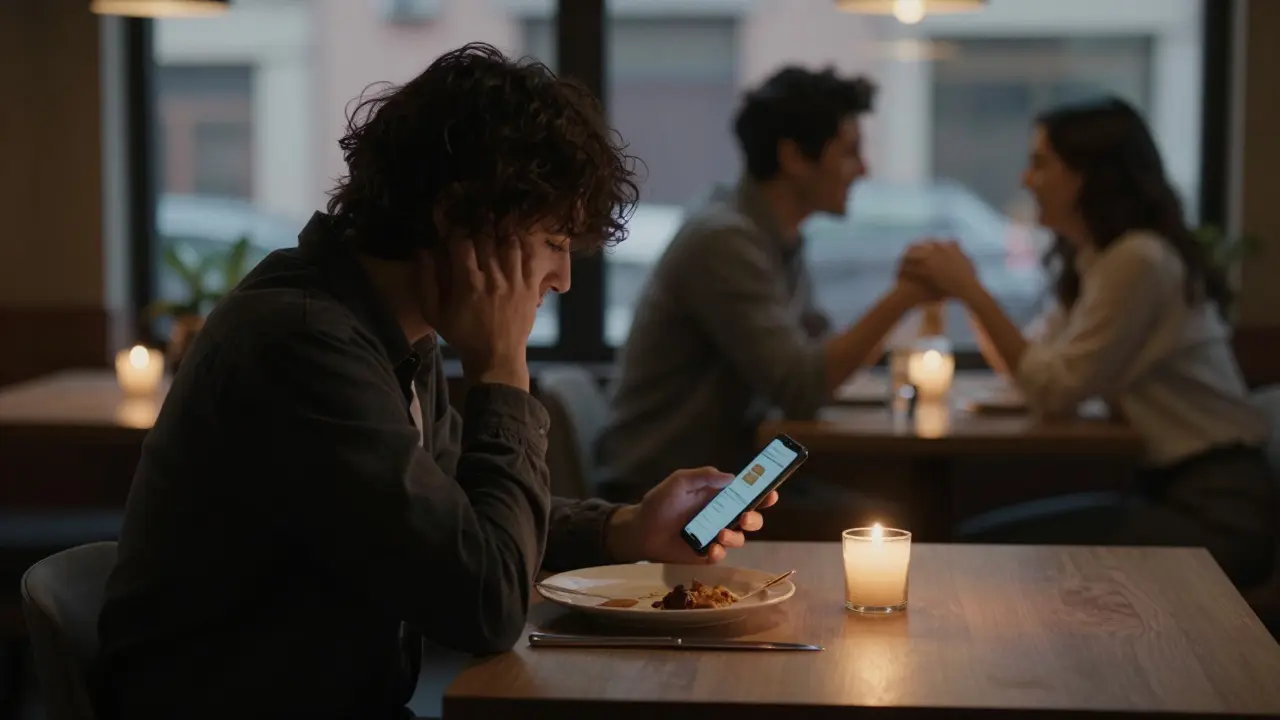
Modern dating rewards speed, not depth. Swipe right. Match. Text. Hook up. Ghost. Rinse and repeat. That’s the algorithm. GFE doesn’t fit that model. It takes time. It requires patience. It demands emotional honesty.
Most people don’t have the energy for it. They’re exhausted from work, from scrolling, from managing their own emotional load. So they settle. They tell themselves, “It’s fine.” But deep down, they miss the feeling.
That’s why GFE is so sought after. It’s not about sex. It’s about being known.
Real GFE doesn’t come from apps or paid services. It comes from someone who chooses you, day after day, even when it’s hard. When they’re tired but still ask how your day was. When they show up with soup when you’re sick. When they don’t try to fix your problems-just sit with you while you cry.
That’s not fantasy. That’s love. And it’s more rare than you think.

What to Do If You Want GFE
If you’re tired of dating that feels empty, here’s what actually works:
- Stop chasing chemistry. Chase consistency.
- Notice who shows up when you’re not at your best.
- Communicate what you need-not as a demand, but as a request: “I really value when you remember little things. It makes me feel cared for.”
- Be the person you’re looking for. GFE is reciprocal. You can’t expect it if you’re not offering it.
- Walk away from people who treat you like an option. GFE isn’t negotiable. It’s the baseline.
You don’t need to pay for connection. You just need to stop accepting less than it.
Final Thought: GFE Is a Human Need
GFE isn’t a kink. It’s not a trend. It’s not even really about dating. It’s about the basic human need to be seen, held, and valued-not for what you do, but for who you are.
Whether you find it in a paid encounter, a long-term relationship, or a deep friendship, GFE matters. Because in a world that’s increasingly loud and disconnected, quiet presence is the rarest gift of all.
Is GFE the same as prostitution?
No. Prostitution is primarily about sex for payment. GFE includes sex, but it’s defined by emotional and relational elements-conversation, affection, companionship, and attention. Someone offering GFE is providing a full experience, not just a physical service.
Can you get GFE in a regular relationship?
Absolutely. GFE isn’t exclusive to paid interactions. Many long-term partners naturally offer GFE through consistent emotional support, affection, and attentive communication. It’s about quality of presence, not price tag.
Why do some people feel guilty about seeking GFE?
Society often stigmatizes paying for emotional connection, framing it as selfish or broken. But the guilt usually comes from unmet needs, not the act itself. If someone craves companionship and can’t find it elsewhere, seeking GFE is a rational response-not a moral failure.
Is GFE only for men?
No. While most public discussions focus on male clients, women and non-binary people also seek GFE. Many female clients pay for companions who offer emotional support, intellectual conversation, and affectionate presence-often because they’ve been disappointed by casual dating or emotionally unavailable partners.
How do you tell if someone is giving you real GFE or just pretending?
Look at patterns, not moments. Does the person remember your preferences over weeks? Do they initiate care without being prompted? Do they show up during hard times, not just good ones? Real GFE is consistent. Pretended GFE fades when the payment stops-or when things get difficult.





7 Comments
Fletcher Sacré
December 5, 2025 AT 12:58ok but like… i paid for GFE last month and the girl remembered my dog’s name AND brought me soup when i had the flu. my ex hasn’t done that in 3 years. who’s the real transaction here? 🤷♂️
Asher Luptak
December 5, 2025 AT 20:00It’s not about payment. It’s about presence. The act of being consistently seen-without performance, without agenda-is what we’re all starving for. Paid GFE is a symptom, not the cause. The real issue is that our culture has commodified intimacy until it’s the only way people know how to access it. We’ve forgotten how to just… be. With each other. Without conditions.
And yes, it’s messy. And yes, it’s hard. But that’s why the real thing-the earned kind-feels like grace.
Franklin onah
December 6, 2025 AT 21:17bro GFE is just emotional labor with a price tag. everyone’s been doing this forever. women have been doing unpaid GFE since the 1950s. men just didn’t have a fancy term for it until the internet made it a niche. also, if you’re paying for someone to hold your hand, maybe you’re not looking for connection-you’re looking for a therapist who doesn’t bill insurance.
also-why are we calling it GFE? it’s not even a girlfriend. it’s a paid companion. stop romanticizing capitalism.
Annah Hill
December 7, 2025 AT 11:38oh wow so now we’re giving awards for being nice to people who pay you? that’s cute. real relationships don’t come with a script. real people don’t rehearse ‘how was your day?’ like it’s a line in a play. if you need to pay for someone to care, maybe you’re not ready for love-you’re ready for a Netflix show with a human prop.
also-why are all these ‘GFE seekers’ men? because women have been doing this for free since forever. and now you want to monetize it? gross.
Lynn Ma
December 8, 2025 AT 15:09i paid for GFE once. not for sex. for silence. i cried for 47 minutes straight while she made tea and just… sat there. no advice. no ‘you’ll be okay.’ just warmth. and when i finally stopped, she said ‘you don’t have to be fixed, you just have to be held.’ i’ve never felt that from a boyfriend. not once. and now i’m mad at myself for thinking i needed to pay for basic humanity.
but here’s the twist-i’ve been trying to give that same energy to my partner. i remember her coffee order. i text her ‘thinking of you’ at 3am. i don’t fix her problems. i just hold space. and she says it’s the first time she’s ever felt safe. so maybe GFE isn’t a service. maybe it’s a mirror. and we’re all just learning how to reflect.
Jess Felty
December 10, 2025 AT 13:40THIS IS A SMOKE SCREEN. GFE ISN’T ABOUT EMOTIONAL CONNECTION-IT’S A COVER FOR HUMAN TRAFFICKING. THEY TRAIN WOMEN TO BECOME EMO-PORNO BOTS. THE ‘CONSISTENT TEXTING’? IT’S A TRAINING MODULE. THE ‘CURLING UP ON THE COUCH’? IT’S A THERAPEUTIC SCRIPT TO LOWER YOUR GUARDS. THEY’RE NOT GIVING YOU GFE-THEY’RE GIVING YOU A PSYCHOLOGICAL HACK TO MAKE YOU DEPENDENT. AND THE ONES WHO SAY ‘I LEARNED WHAT I WANT FROM GFE’? THEY’RE THE ONES WHO’LL BE TRAPPED IN A LOOP OF PAYING FOR WHAT THEY CAN’T BUILD. THIS ISN’T LOVE. THIS IS A NEW FORM OF CONTROL.
Kathy ROBLIN
December 12, 2025 AT 07:04you all are missing the point. GFE isn’t about who pays who. it’s about who shows up. i had a friend who was emotionally abandoned by her partner. she started paying for weekly walks with a companion. not sex. just walking. talking. silence. she said it was the first time in years she didn’t feel like a burden. and now? she’s rebuilding her own capacity to be vulnerable. not because she’s broken. because she was starved. and nobody gets to tell her that’s wrong.