
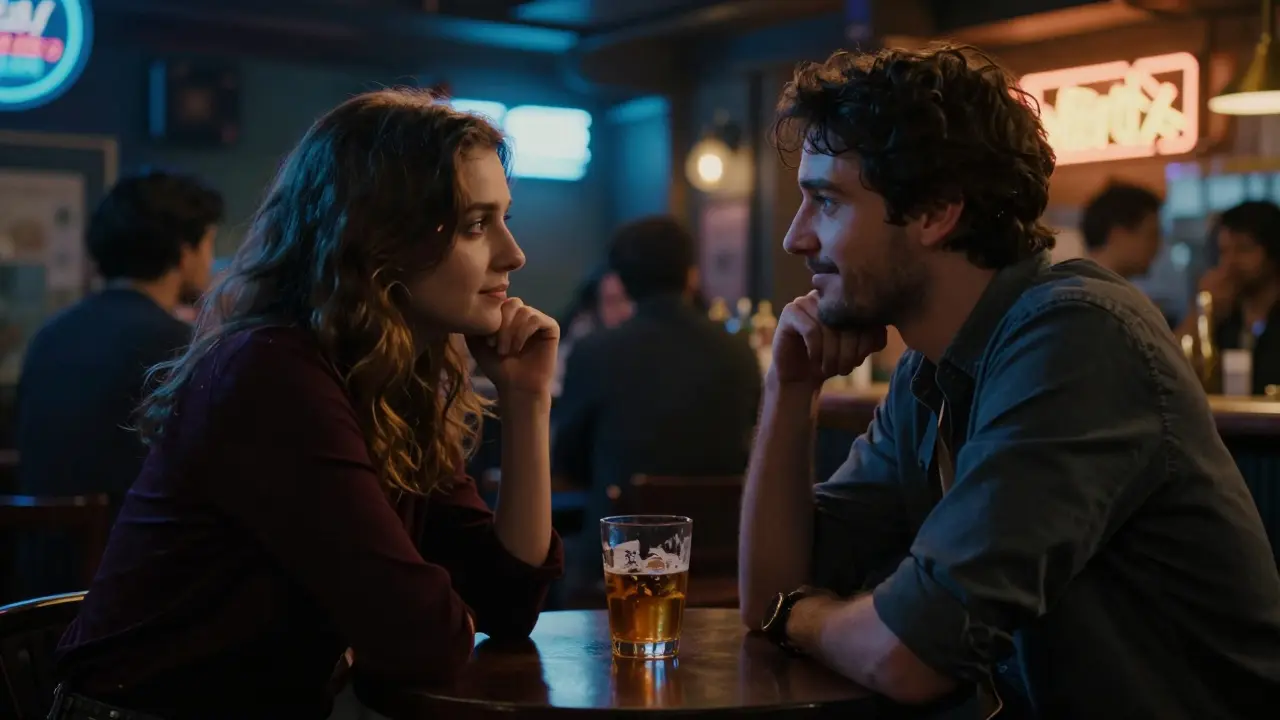
One night stands aren’t rare. They happen more often than most people admit. You might have had one. Your friend has. Maybe you’re thinking about it. But what does it actually mean when two people agree to sleep together with no strings attached? And what happens after the morning after?
It’s Not Just About Sex
A one night stand isn’t just physical. It’s a moment shaped by emotion, timing, and context. Someone might be lonely after a breakup. Another might be traveling and feeling free. Someone else could be testing boundaries they didn’t know they had. The act itself is simple-sex between two people who don’t plan to see each other again. But the reasons behind it? Those are messy, personal, and rarely the same.
A 2023 study from the University of London found that nearly 42% of adults aged 18 to 35 in the UK have had at least one one night stand. That’s not a fluke. It’s a pattern. And yet, most people still feel awkward talking about it. Why? Because society tells us sex should mean something deeper. But reality doesn’t always follow the script.
Consent Isn’t Just a Yes
Consent is the only rule that matters. Not alcohol. Not peer pressure. Not how attractive someone looks in a dimly lit bar. Real consent means both people are clear-headed, calm, and saying yes without fear, guilt, or expectation.
Too often, people confuse enthusiasm with intoxication. Or they assume silence means agreement. That’s dangerous. And it’s not rare. A 2024 survey by the UK’s Sexual Health Foundation showed that 1 in 5 people who had a one night stand later felt they hadn’t truly consented-either because they were too drunk, too scared to say no, or because the other person acted like it was expected.
True consent is ongoing. It’s checking in. It’s being okay with someone changing their mind halfway through. It’s not about how many drinks were had. It’s about whether both people felt safe enough to say no-and knew they could.
Why People Do It
People don’t have one night stands for one reason. They do it for dozens.
- Rebound sex: After a long relationship ends, some people turn to strangers to feel desired again. It’s not about the person-it’s about filling a void.
- Curiosity: Maybe they’ve never done it before. Maybe they’re wondering what it’s like to be with someone outside their usual type.
- Escape: Stress, grief, or loneliness can make someone seek a temporary distraction. Sex becomes a way to feel something-anything-other than pain.
- Confidence boost: Sometimes, it’s less about sex and more about feeling wanted. A one night stand can make someone feel attractive, powerful, or in control-even if just for a few hours.
- Adventure: Travelers, festival-goers, and people in new cities often see it as part of the experience. No names. No numbers. Just a moment.
None of these reasons are wrong. But they’re not always healthy. And they’re rarely simple.
What Happens After?
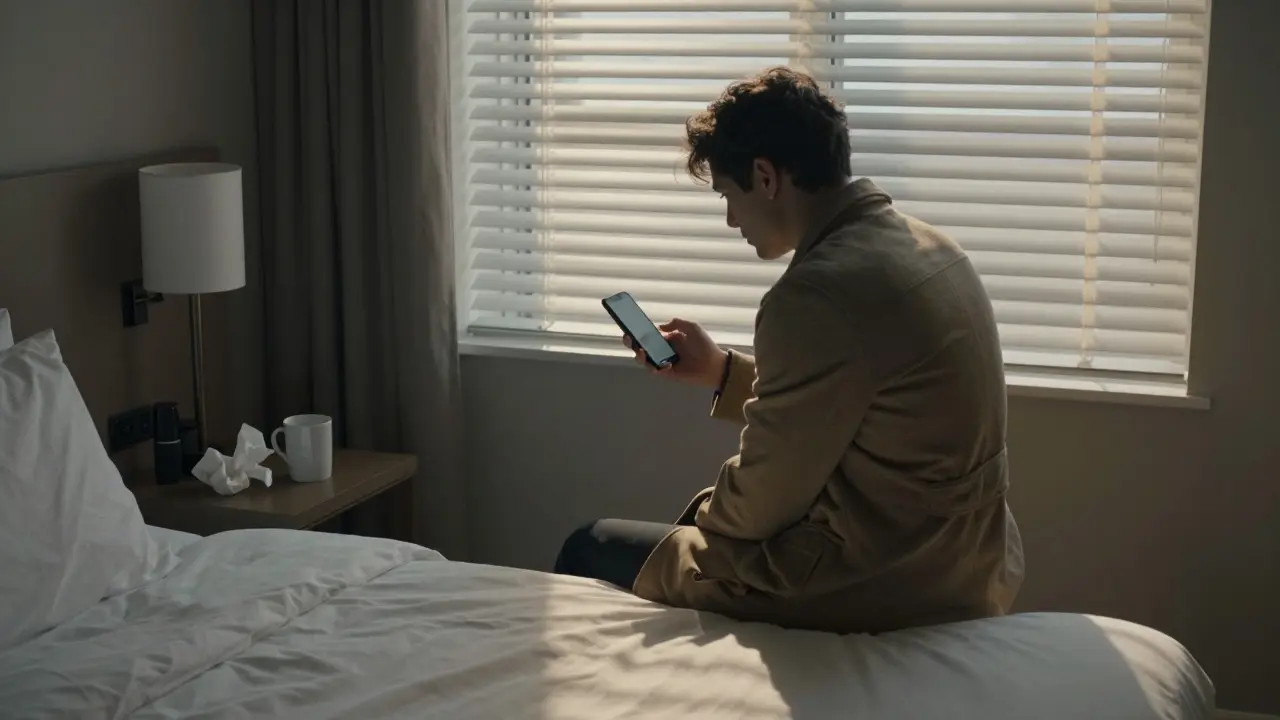
Here’s the part no one talks about: what happens the next day.
Some people walk away feeling fine. Light. Relieved. Like they got what they needed and moved on.
Others feel hollow. Confused. Ashamed-even if they didn’t want to feel that way. The brain doesn’t always distinguish between connection and contact. Oxytocin, the bonding hormone released during sex, doesn’t care if you agreed to keep things casual. It still floods your system. And then? You’re left wondering why you miss someone you never even called by their first name.
A 2025 survey of 2,000 UK adults found that 68% of people who had a one night stand experienced some level of emotional aftermath. Half of them didn’t expect it. Many didn’t talk about it. They just buried it under work, social plans, or another drink.
That’s the hidden cost: emotional whiplash. You think you’re in control. Then your body and mind betray you.
When It Goes Wrong
One night stands can go sideways fast. And when they do, the fallout isn’t always obvious.
- Stalking or harassment: One person moves on. The other doesn’t. Texts turn into calls. Calls turn into messages at 3 a.m. That’s not attraction-that’s violation.
- STIs: Casual sex without protection carries risk. In 2024, gonorrhoea cases in England rose by 17% compared to the year before. Most were among people aged 18 to 24. Condoms aren’t optional. They’re basic.
- Reputation damage: Especially in tight-knit communities, word spreads. A one night stand can become gossip. And gossip hurts.
- Self-worth erosion: If you start doing it to feel good about yourself, you’re trading real self-esteem for temporary validation. That’s a losing trade.
None of these outcomes are guaranteed. But they’re common enough that you should know the risks before you walk into that situation.
How to Protect Yourself
If you’re considering a one night stand-or you’ve already had one-here’s how to come out of it with your dignity, health, and peace intact.
- Set boundaries before anything happens. Talk about what you’re looking for. Say it out loud. “I’m not looking for anything beyond tonight.” If they hesitate or push back, walk away.
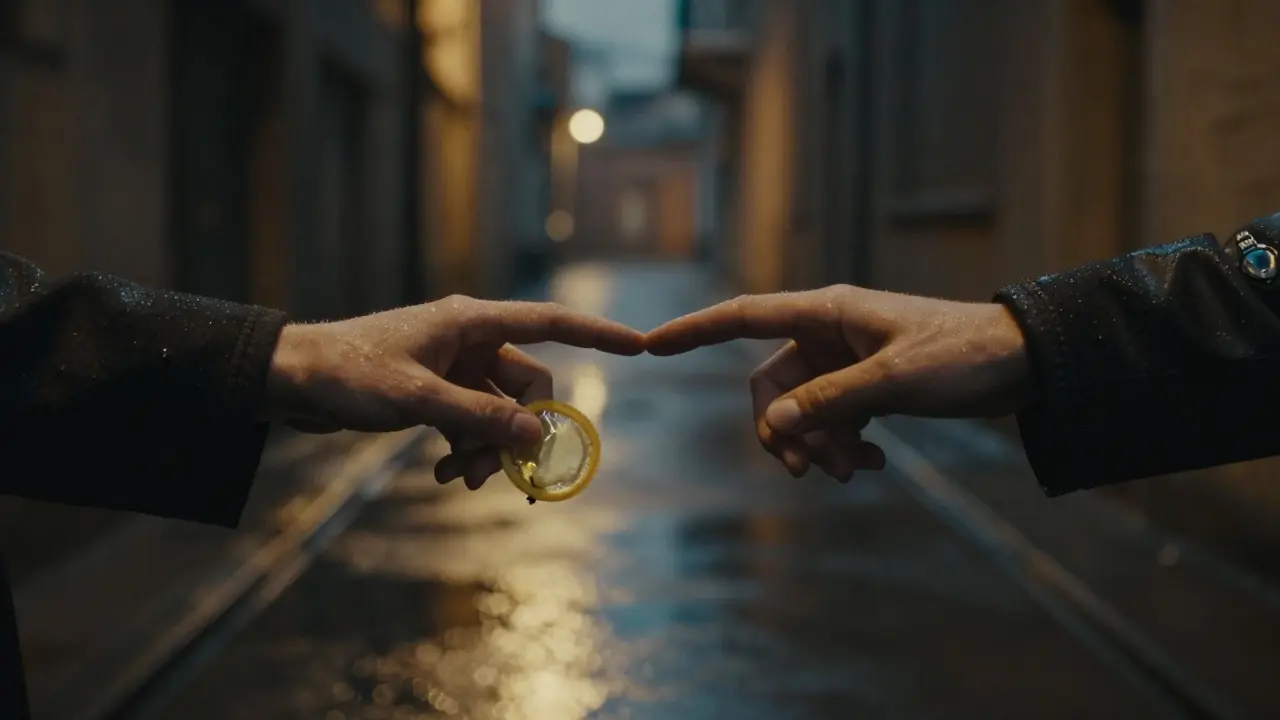
- Use protection every single time. No exceptions. Not even once. Not even if you’re “sure.” STIs don’t care about your trust.
- Don’t share personal details. Last names, workplaces, home addresses-keep them to yourself. You don’t owe someone your life story because they kissed you.
- Check in with yourself the next day. How do you feel? Empty? Relieved? Guilty? Don’t ignore it. Journal it. Talk to a friend. Don’t pretend it didn’t happen.
- Know when to stop. If you find yourself doing this more than once a month, or if you’re doing it to avoid feeling alone, it’s time to ask why.
It’s Not a Moral Issue
There’s no shame in having a one night stand. There’s also no virtue in it. It’s not a sign of liberation or promiscuity. It’s not a failure or a triumph. It’s just a choice-one that carries consequences, whether you want them to or not.
What matters isn’t whether you did it. What matters is whether you did it on your terms. With respect. With awareness. And without pretending it didn’t mean anything-if it did.
People change. Circumstances change. Sometimes, a one night stand is just that: a single night. Other times, it becomes a turning point. You won’t know until after.
What to Do If You Regret It
Regret is normal. It doesn’t make you weak. It makes you human.
If you’re feeling bad after a one night stand, don’t punish yourself. Don’t delete your phone. Don’t isolate. Talk to someone you trust. Or see a counsellor. Many UK clinics offer free, confidential support for emotional fallout after casual sex.
And if you’re still unsure whether it was the right choice? That’s okay too. You don’t need to have all the answers right now. Just be honest with yourself. That’s the only thing that matters.
Is it normal to feel guilty after a one night stand?
Yes, it’s normal. Guilt doesn’t mean you did something wrong-it means you care about your values. Many people feel this way, even if they thought they wouldn’t. Emotions don’t always follow logic. Give yourself space to feel it without judgment.
Can a one night stand turn into something more?
Yes, it can. Sometimes two people connect in a way they didn’t expect. But if you went in with the clear understanding it was just one night, and the other person starts acting differently, that’s not your fault. It’s their responsibility to communicate. Don’t feel pressured to change your boundaries just because they did.
Are one night stands more common among men or women?
The gap is shrinking. In 2024, UK surveys showed nearly equal rates between men and women aged 18-35. Women are more likely to report feeling emotional after, but that doesn’t mean they’re doing it less. Social stigma used to silence women’s experiences-but that’s changing.
How do I know if I’m using one night stands to avoid emotional intimacy?
Ask yourself: Do you feel empty afterward? Do you avoid texting people back? Do you only hook up when you’re feeling lonely or stressed? If you’re using sex to numb emotions instead of facing them, it’s a sign you might need support-not more hookups.
Should I tell my partner if I had a one night stand?
It depends on your relationship agreement. If you’re monogamous, honesty is usually the best path-even if it’s hard. If you’re non-monogamous, transparency about encounters is essential. Lying to protect yourself often causes more damage than the truth ever could.




10 Comments
Mohammed Muzammil
January 12, 2026 AT 04:23man i just wanna say this post hit different
i grew up in lagos where talking about sex like this was taboo but seeing how many people feel the same way even across continents? it’s comforting
i had a one night stand in berlin last year after my dad passed
i didn’t want to cry so i went to a club and ended up with someone who didn’t ask my name
next morning i felt empty but not guilty
just… tired
the part about oxytocin? yeah that’s real
i thought i was being smart but my body didn’t get the memo
now i journal after
not because i’m broken but because i care
you don’t need to fix it right away
just sit with it
and if you’re doing it to avoid feeling? yeah that’s a red flag
but it’s okay to make mistakes
we’re all just trying to survive our own hearts
Bonnie Cole
January 12, 2026 AT 08:11thank you for writing this without judgment
i’m a therapist in chicago and i see so many young people carrying shame they don’t even understand
the idea that sex = emotional obligation is a cultural trap
but so is pretending it doesn’t affect you
consent isn’t just a checkbox
it’s a conversation that keeps happening
and if someone can’t handle that? walk away
your dignity isn’t negotiable
and if you feel hollow afterward? that’s your intuition
not your failure
please stop blaming yourself for being human
SHAHUL NAZEEM
January 12, 2026 AT 23:36bro i just had one last weekend 😍
we met at a music fest in goa
no names no numbers just vibes 🌺
next day i felt weird but not bad
then i sent her a meme and she replied 😂
now we’re planning to meet again
who knew one night could turn into something?
but hey if it doesn’t? still cool
sex ain’t a crime unless it’s forced
and if you’re scared? just breathe
you’re not broken
you’re just learning
Mona Nona
January 13, 2026 AT 18:57soooo i had one last month and now i cant sleep
why does my brain keep replaying it
like why am i still thinking about his stupid laugh
i didnt even know his last name
and now i keep checking my phone
am i crazy
or is this normal
why does it hurt so much when it was supposed to be nothing
Katelyn Stephens
January 14, 2026 AT 22:49i think the biggest lie we tell ourselves is that we’re fine
we say it to sound cool
but the silence after? that’s where the truth lives
it’s okay to feel messy
it’s okay to need more
you don’t have to have it all figured out
just be kind to yourself
Stephanie Labay
January 16, 2026 AT 01:43americans think they invented casual sex
newsflash
every culture has had it
but only we turn it into a moral crisis
we’re obsessed with labeling everything
liberated? damaged? slut? hero?
it’s just sex
stop making it a personality test
and for god’s sake stop shaming women for doing it
we’ve been punished for this since the 1800s
grow up
sam ly
January 17, 2026 AT 03:13the data is rigged
42 percent? where did that come from
who funded that study
who asked the questions
you think people are honest about this
they lie to sound cool
or lie to sound guilty
either way it’s performance
and this whole post feels like woke propaganda
sex is sex
stop overthinking it
if you feel bad afterwards
you’re weak
not traumatized
Rhys Harley
January 18, 2026 AT 10:30One night stands are a social construct designed to mask emotional avoidance
Statistical normalization does not equate to psychological health
The data presented is methodologically flawed
Consent is not a spectrum
It is binary
Either present or absent
There is no nuanced interpretation
Emotional aftermath is irrelevant to the act
It is a consequence of poor self-regulation
Not a societal failing
Personal responsibility is non-negotiable
And yet
we have turned intimacy into a diagnostic category
Pathologizing natural behavior
Under the guise of compassion
It is not compassion
It is control
Jeanine Lee
January 18, 2026 AT 10:55just wanted to say the part about ‘don’t share personal details’? yes
last year i told someone my job
they found me on linkedin
then showed up at my office
with flowers
i didn’t even know their first name
and i didn’t know how to say no
so i quit
not because of the sex
because of the violation
your boundaries aren’t rude
they’re survival
Stephen Taliercio
January 19, 2026 AT 14:13they’re watching us
the study
the survey
the ‘free counseling’
they want to know who’s having sex
who feels guilty
who’s vulnerable
they’re building a profile
for the algorithm
for the insurance company
for the government
they don’t care if you’re okay
they care if you’re predictable
so they made you feel guilty
so you’d tell them everything
and now you’re hooked
on their narrative