
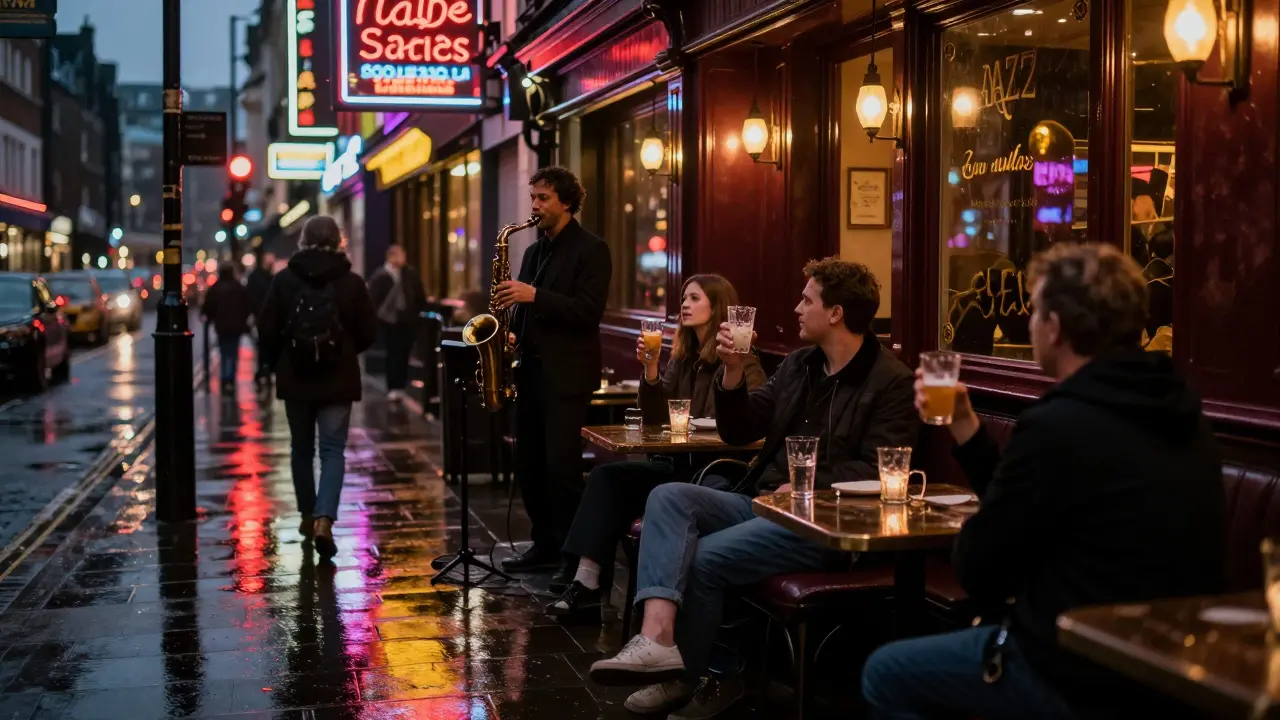
London doesn’t sleep. Not really. While other cities quiet down after midnight, London’s streets hum with energy, music spills from alleyways, and the city’s pulse gets louder the later it gets. If you’ve ever thought nightlife meant a few drinks and a playlist, you haven’t experienced London. This isn’t just a city that has bars-it’s a city that lives through them.
It’s Not One Scene. It’s Dozens.
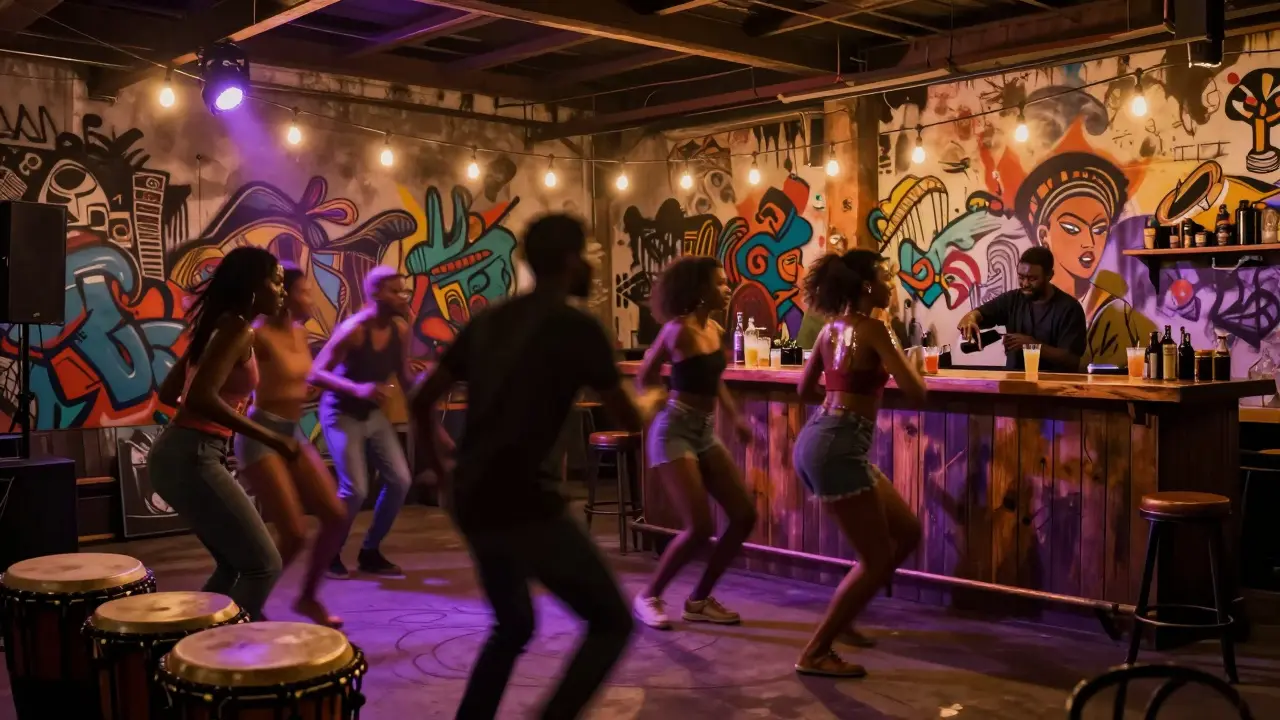
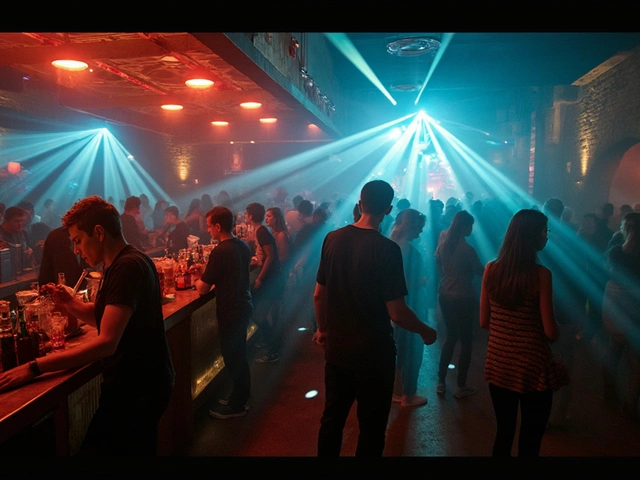
Try to pin London nightlife down to one vibe, and you’ll fail. Shoreditch throws basement raves with DJs who’ve played in Berlin and Tokyo. Soho’s neon signs pulse with jazz lounges where saxophones cut through cigarette smoke like they did in the ’60s. In Peckham, a converted warehouse hosts Afrobeat nights with dancers who don’t stop until 4 a.m. Meanwhile, in Camden, punk bands still play in tiny venues where the stage is three steps up from the floor and the crowd sings louder than the mic.
There’s no single London nightlife. There’s a hundred. And each one has its own crowd, its own rules, its own reason for existing. You don’t go out to find a party-you go out to find the version of the city that speaks to you that night.
History Lives in the Walls
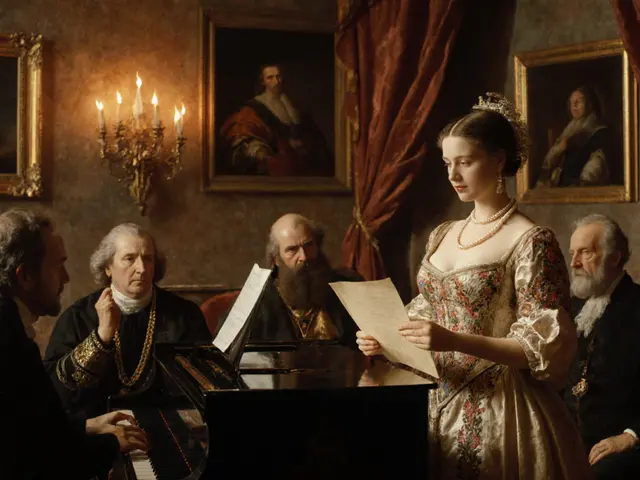
Walk into The Harp in Soho, and you’re standing where David Bowie once drank beer after a gig. The Blind Beggar in Whitechapel? That’s the pub where Ronnie Kray shot George Cornell in 1966. These places aren’t just spots to drink-they’re archives. The brickwork remembers. The barstools creak with stories.
Even newer venues carry that weight. The Jazz Cafe in Camden opened in 1990, but its basement used to be a 19th-century morgue. You can still feel the chill in the air down there. You don’t need to know the history to enjoy the music. But once you do, you start listening differently.
Music Isn’t an Add-On. It’s the Point.
In London, music doesn’t play in the background. It’s the reason you’re there. A pub in Brixton might have a live blues band on Tuesday. A rooftop in Shoreditch might drop a surprise house set at 1 a.m. on a Thursday. In Dalston, a tiny club called The Victoria hosts experimental electronic sets that start at midnight and end when the sun rises.
You won’t find a playlist here. You’ll find a community. People come because they know someone’s going to play something they’ve never heard before. And they’ll dance like no one’s watching-even if ten people are filming it.
The Food Keeps You Going
Forget the idea that nightlife means cocktails and nothing else. London’s late-night food scene is legendary. At 3 a.m., you can grab a steaming bowl of ramen in Chinatown, a buttery kebab from a van parked outside a club in Brixton, or a toasted bagel with smoked salmon from a 24-hour deli in Notting Hill.
Some places only open after midnight. The famous night market in Brick Lane serves curry that’s been simmering since 7 p.m. and tastes better after three drinks. A burger joint in Camden doesn’t take cards after 2 a.m.-you pay cash, and they hand you a napkin with a handwritten note: "Don’t leave without the extra sauce."
It’s Not About Being Seen. It’s About Being There.
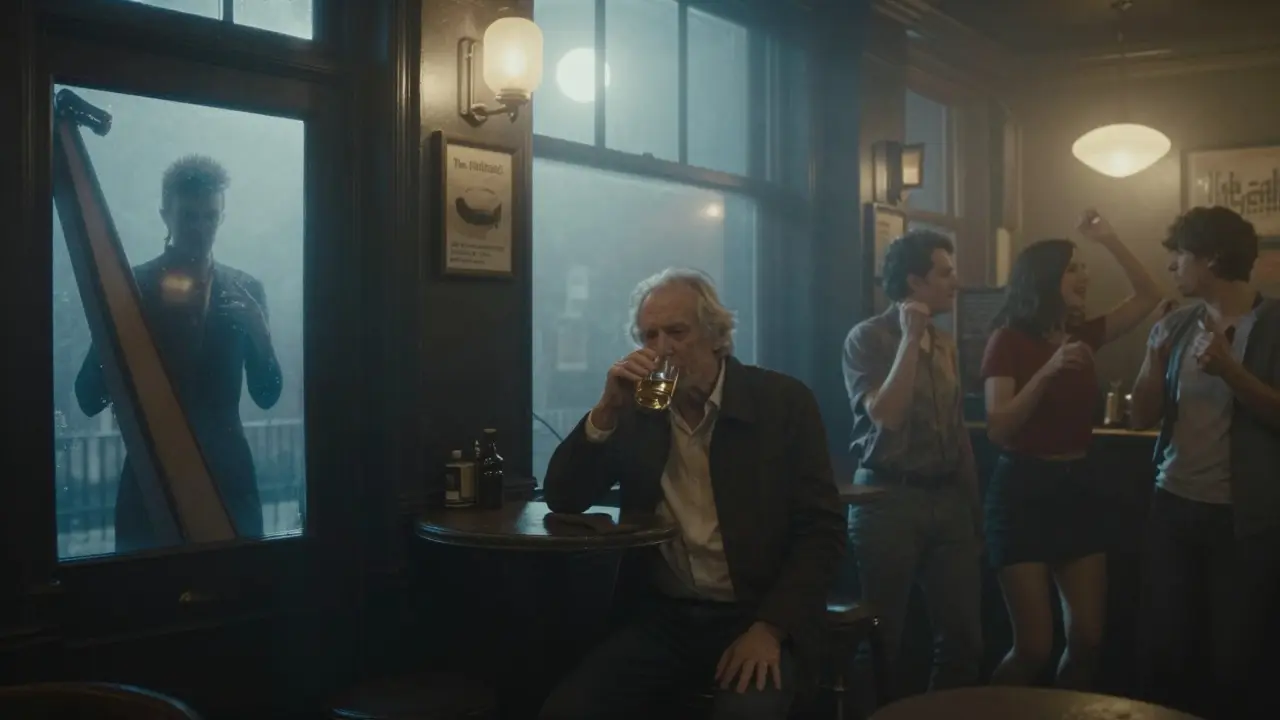
In cities like New York or Miami, nightlife is often about who you’re with. In London, it’s about what you’re feeling. You’ll see a 70-year-old man sipping whiskey alone in a quiet pub in Hampstead. A group of students dancing wildly in a basement in Peckham. A woman in a tailored suit laughing over oysters in a hidden speakeasy in Mayfair.
No one’s checking your outfit. No one’s counting your followers. You’re just there-because the music pulled you in, the smell of food made you hungry, or the rain outside made staying in feel like a mistake.
The Rules Are Made Up as You Go
There’s no dress code. No entry list. No VIP section you need a connection for. Most places don’t even check IDs after midnight. You walk in, you order a drink, you find a spot. If you like the sound, you stay. If you don’t, you leave. No one cares why.
Some clubs only open if the DJ shows up. Others shut down early if the crowd’s thin. That’s the charm. It’s not corporate. It’s not planned. It’s alive.
It Changes Every Season
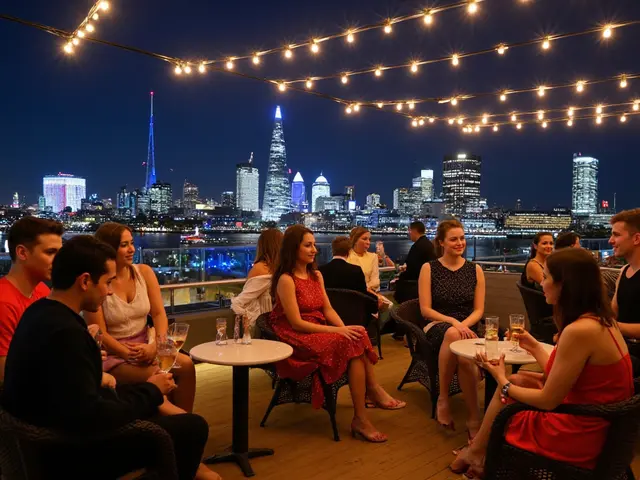
Winter? Rooftop heaters, mulled wine, and secret indoor raves in old factories. Spring? Open-air gigs in parks, beer gardens spilling onto sidewalks, street performers coming back to life. Summer? Riverboat parties on the Thames, open-air cinemas with DJs between films. Autumn? Cozy jazz bars with leather sofas and candlelit corners.
London doesn’t repeat itself. The same venue might host a poetry slam one week and a techno rave the next. The same bartender might serve you a gin fizz on Monday and a spiced rum punch on Friday. You never know what you’ll find. And that’s why you keep coming back.
It’s Not a Tourist Attraction. It’s a Way of Life.
Londoners don’t talk about nightlife like it’s something to do. They talk about it like it’s part of their bones. You don’t ask, "Where should I go?" You ask, "Who’s playing?" or "What’s on tonight?"
People work late shifts, finish meetings at 11 p.m., and still make it to a hidden bar by midnight. They meet friends after work not for dinner, but for a single drink that turns into three hours of conversation. They go out alone because they know someone will say, "You’re here? Good. Join us."
That’s the real magic. It’s not about the lights, the music, or the drinks. It’s about the people. The ones who show up because they need to. The ones who stay because they found something they didn’t know they were looking for.
London’s nightlife isn’t unmissable because it’s flashy. It’s unmissable because it’s real.
Is London nightlife safe at night?
Yes, for the most part. London has one of the highest police densities in Europe, especially in nightlife districts. Areas like Soho, Shoreditch, and Camden are well-lit and patrolled. Stick to main streets, use trusted transport like Uber or the Night Tube, and avoid isolated alleys. Most venues have security staff, and staff are trained to call for help if something feels off. You’ll see more police officers in a London nightclub than you will in most U.S. cities.
What’s the best night to go out in London?
Thursday and Friday are the busiest, but Saturday is where the magic happens. That’s when the city’s most unique events pop up-secret sets, surprise guest DJs, pop-up food stalls, and underground parties. If you want to experience something unexpected, go on a Saturday. But if you prefer smaller crowds and better service, try Wednesday or Thursday. Many clubs have themed nights then-Latin nights, jazz brunches, or silent discos.
Do I need to book ahead for London clubs?
Only for the biggest names or special events. For most places, you can just walk in. But if you’re going to a venue like Printworks, Fabric, or XOYO for a headline act, book online in advance. Some smaller bars don’t even have websites-they post their events on Instagram the day before. Follow local promoters like @LondonUnderground or @LateNightLdn for real-time updates.
How late do places stay open in London?
Most clubs close at 3 a.m. or 4 a.m., but some stay open until 5 or 6 a.m. on weekends. The Night Tube runs Friday and Saturday nights until around 5:30 a.m., so getting home is easy. Bars with food licenses often stay open later-some 24-hour diners and kebab shops operate all night. If you’re still awake at 6 a.m., you’ll find people drinking coffee on park benches, eating breakfast tacos, or walking home with a grin.
What’s the average cost for a night out in London?
It varies wildly. A pint in a pub might cost £5. A cocktail in a fancy bar? £12-£16. Club entry is often free before midnight, then £5-£10 after. If you’re on a budget, go to free-entry venues, drink before midnight, and eat late-night food instead of fancy dinners. You can have a full night out for under £30 if you plan smart. But if you want the full experience-VIP table, bottle service, a DJ set-budget £100 or more.


1 Comments
Brice Maiurro
February 16, 2026 AT 08:41I went to London last year and thought I knew what nightlife meant. Then I walked into this tiny basement in Shoreditch where a guy was spinning vinyl on a boombox and 30 people were just... swaying. No lights. No drinks. Just sound. I cried. Not because it was emotional. Because I realized I’d forgotten what it felt like to be alive.
London doesn’t sell you a night. It gives you a memory you didn’t know you were missing.